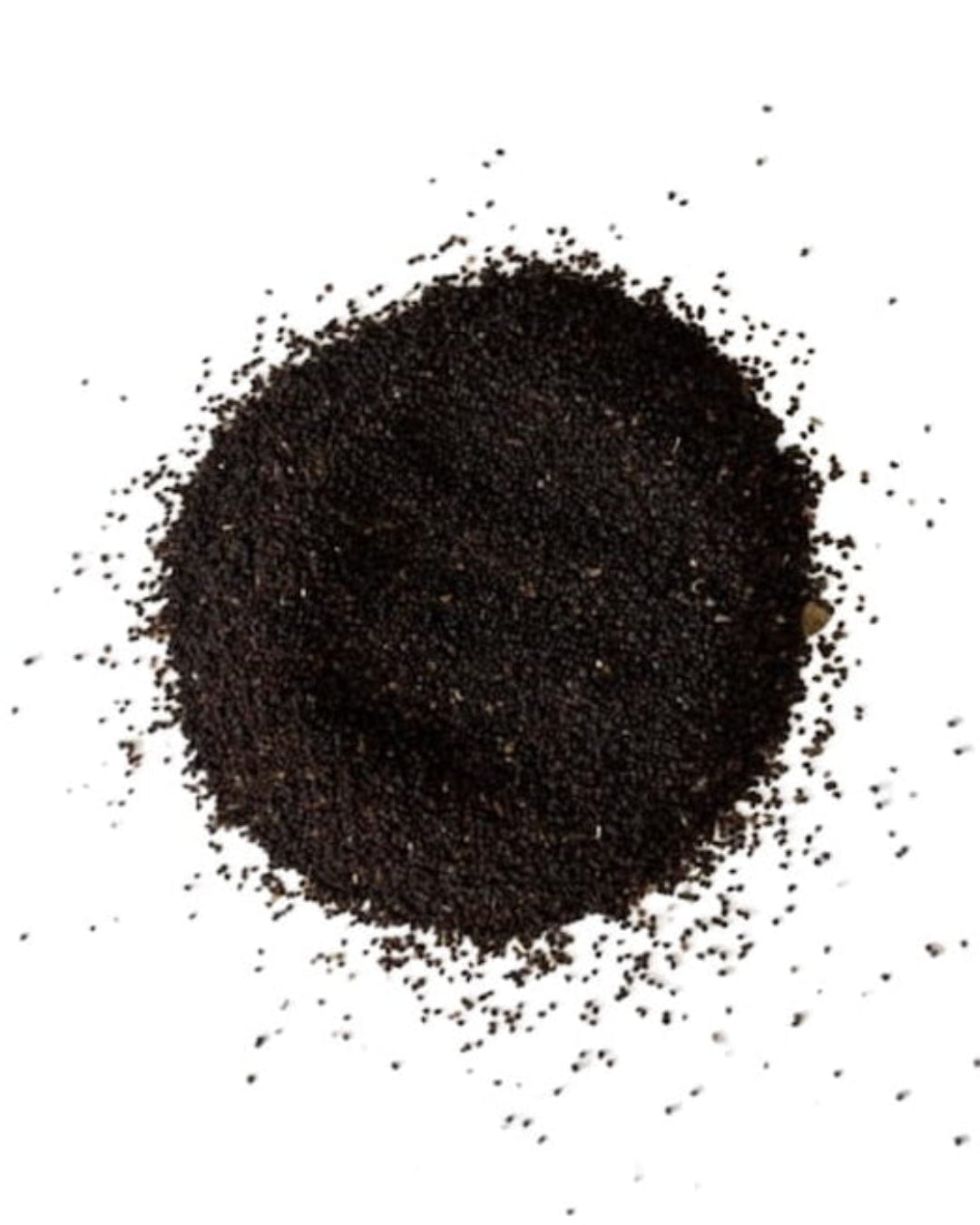
Field Poppy Native Wildflower Seed

  • Iconic red annual wildflower
  • Quick and easy to grow
  • Thrives in disturbed soil
  • Symbol of remembrance
  • Excellent for pollinators
Regular price £9.99

PAPAVER RHOEAS

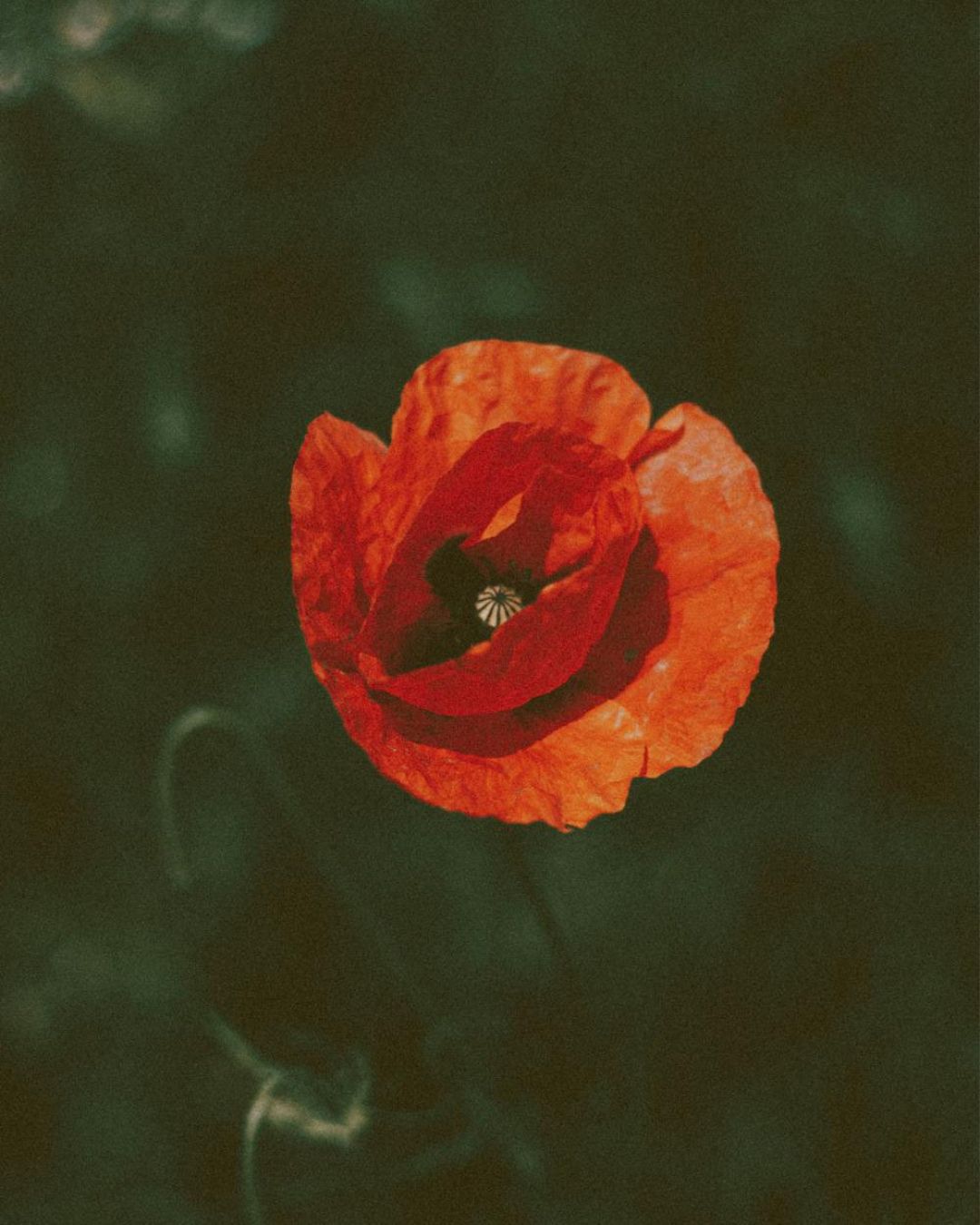
The field poppy is the red flag of the wildflower world. Bold, iconic, impossible to ignore. One of Britain’s most recognised wildflowers, famous for its paper thin scarlet petals, dark centre, and deep connection with remembrance.

Poppies have always loved disturbed ground. That is why they appeared so dramatically on the churned up battlefields of France and Belgium after the First World War. Give them bare soil, sunshine, and a little breathing room, and they will do what poppies do best, arrive in a blaze of red and steal the show.

Profile

PAPAVER RHOEAS

The field poppy is the red flag of the wildflower world. Bold, iconic, impossible to ignore. One of Britain’s most recognised wildflowers, famous for its paper thin scarlet petals, dark centre, and deep connection with remembrance.

Poppies have always loved disturbed ground. That is why they appeared so dramatically on the churned up battlefields of France and Belgium after the First World War. Give them bare soil, sunshine, and a little breathing room, and they will do what poppies do best, arrive in a blaze of red and steal the show.

Planting

Poppies need bare soil, sunshine, and very little
competition. They will not do well if scattered into thick grass.

Rip - Clear weeds, grass, and debris. Rake the soil so you have a loose, open surface.

Scatter - Sprinkle the seed thinly across the soil. Do not pile it up in one patch.

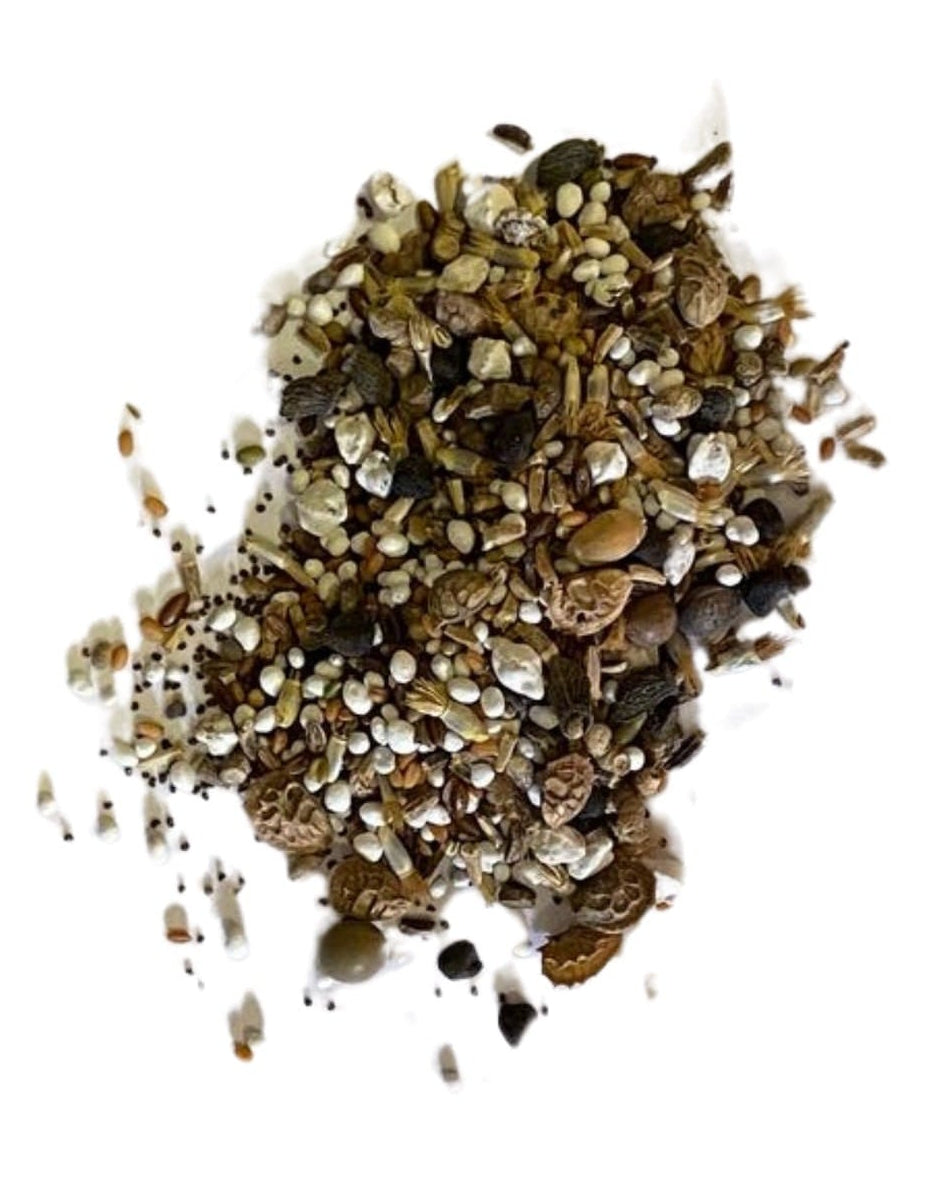
Sow - Gently press or rake the seed into the surface so it makes contact with the soil. Do not bury it deeply. Poppy seed is tiny and likes to sit close to the top.

When to sow - For best results sow from March to May and August to October.

Where to sow - Choose a sunny spot with free draining soil and no heavy competition. The more open the ground, the better the poppy show.

Nuture

After sowing, keep the soil lightly moist while the seeds get going, especially if the weather is very dry. No need to drown them. Think gentle encouragement, not swamp.

Once you can see green shoots, let them do their thing. Do not feed them, and try to keep grass and big weeds from crowding them out.

If too many seedlings appear in one clump, gently pull a few out so the strongest ones have space. After flowering, leave some seed heads standing if you want them to self seed for next year.

Results

Expect flowers from May through to September, depending on when you sow and what the weather decides to do. Poppies usually put on their best show from late spring into summer, but with the right timing you can get colour for longer.

Poppies usually grow around 30 to 60 cm tall, bringing flashes of scarlet red that look far more dramatic than the effort required.

They are annuals, so each plant flowers, sets seed, and finishes its life cycle in one season. Leave the seed heads standing and you may get a fresh rebellion of poppies next year. Bees love them, gardens love them, and frankly, they know how to make an entrance.

Pots

Yes, poppies can grow in pots, but they like space and do not enjoy being moved once they start growing.

Use a medium to large pot, ideally at least 25 to 30 cm wide, with drainage holes. Fill it with peat free, low nutrient compost, or mix peat free compost with sharp sand or grit to keep it open and free draining. Avoid rich compost. Wildflowers are not here for the luxury spa treatment.

Scatter the seed thinly over the surface, press it in gently, and place the pot somewhere sunny. Keep it lightly moist while the seeds get going. Once you can see green growth, water only when the compost starts to dry out.

No Grow, No Fee

We want your seeds to grow. If you follow our sowing instructions, give them a fair chance, and they still do not grow, we’ll put it right.

Eligible customers can choose either a refund for the seeds that did not grow, or replacement seeds of the same value.

For more information on our policy go to our No Grow No Fee page.

CUSTOMER REVIEWS