Yellow Rattle Native Wildflower Seed

  • Essential "Meadow Maker" plant
  • Suppresses vigorous grass growth
  • Allows other wildflowers to thrive
  • Must be sown in autumn
  • Semi-parasitic annual species
Regular price £3.99

RHINANTHUS MINOR

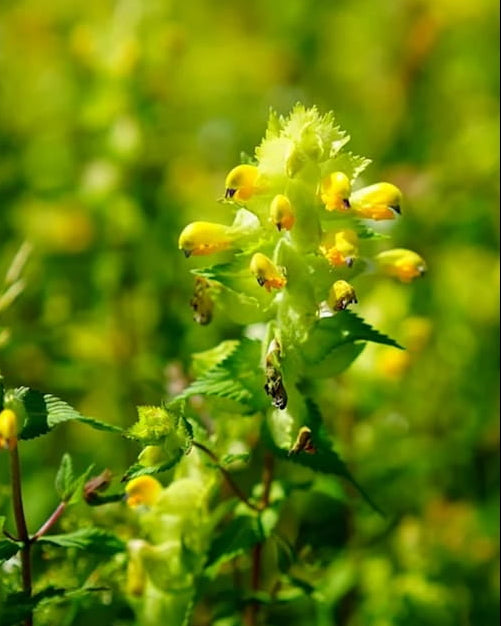
Yellow Rattle is the wildflower meadow’s undercover agent. Small yellow flowers, papery seed pods, and a quiet little mission to weaken grass from the inside.

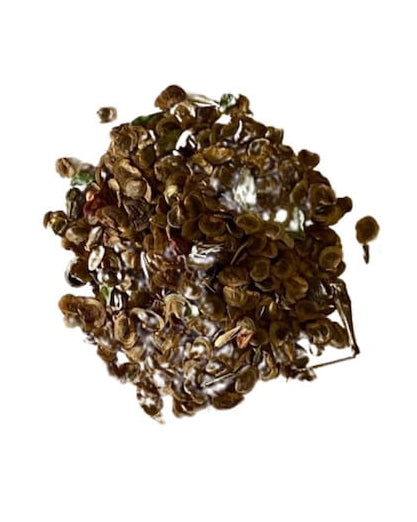
It gets its name from the dry seed heads, which rattle when shaken. Very charming. Very old meadow. Very “tiny percussion section hiding in the lawn”. But the real magic is underground. Yellow Rattle is semi parasitic on grasses, meaning it taps into their roots and reduces their strength. In plain English, it helps stop grass behaving like it owns the place.

If you want a proper wildflower meadow, Yellow Rattle is one of the great meadow makers. Not flashy, not huge, but absolutely revolutionary.

Profile

RHINANTHUS MINOR

Yellow Rattle is the wildflower meadow’s undercover agent. Small yellow flowers, papery seed pods, and a quiet little mission to weaken grass from the inside.

It gets its name from the dry seed heads, which rattle when shaken. Very charming. Very old meadow. Very “tiny percussion section hiding in the lawn”. But the real magic is underground. Yellow Rattle is semi parasitic on grasses, meaning it taps into their roots and reduces their strength. In plain English, it helps stop grass behaving like it owns the place.

If you want a proper wildflower meadow, Yellow Rattle is one of the great meadow makers. Not flashy, not huge, but absolutely revolutionary.

Planting

Yellow Rattle needs short grass, bare soil contact, and autumn sowing. It is best for lawns or meadow areas where you want to reduce grass competition and help other wildflowers thrive.

Rip - Cut the grass very short. Rake hard to remove thatch and create small patches of bare soil. The seed must touch the soil to work.

Scatter - Scatter the seed thinly across the prepared grass or bare patches.

Sow - Press the seed into the soil surface by walking over it or firming it down gently. Do not bury it.

When to sow - For best results sow from August to November only. Yellow Rattle needs winter weather to trigger germination, so spring sowing is not recommended.

Where to sow - Choose a grassy area that is not too rich or heavily fertilised. Yellow Rattle needs grass nearby because it feeds from grass roots, but it will not work well in thick, lush, overfed lawn.

Nurture

After sowing, leave the seed outside to experience winter weather. Do not feed the area. Fertiliser encourages grass, and Yellow Rattle is here to knock grass down a peg.

Once you can see green shoots in spring, keep the grass short enough that the seedlings are not smothered. Avoid mowing too low once the plants are flowering.

Let Yellow Rattle flower and set seed before cutting. After the seed heads turn dry and start to rattle, cut the area and remove the cuttings. That helps keep the soil less rich and gives wildflowers a better chance.

Results

Yellow Rattle usually flowers from May to July, producing small yellow flowers followed by rattling seed pods.

It typically grows around 10 to 50 cm tall, depending on grass height and conditions.

It is an annual, so it completes its life cycle in one year, but it can self seed if you let it drop seed before cutting. Its biggest benefit is helping weaken grass, making space for more wildflowers over time. Small yellow
flower, massive meadow energy.

Pots

Yellow Rattle is not suitable for normal pots on its own. It needs grass roots nearby, because that is how it grows properly.

If you want to experiment, you could sow it into a container with low nutrient compost and a small amount of fine grass already growing, but results are much less reliable than sowing into a lawn or meadow.

For best results, sow Yellow Rattle directly into short grass with bare soil patches in autumn.

No Grow, No Fee

We want your seeds to grow. If you follow our sowing instructions, give them a fair chance, and they still do not grow, we’ll put it right.

Eligible customers can choose either a refund for the seeds that did not grow, or replacement seeds of the same value.

For more information on our policy go to our No Grow No Fee page.

CUSTOMER REVIEWS