Wild Garlic Native Wildflower Seed
Regular price
£3.95

ALLIUM URSINUM
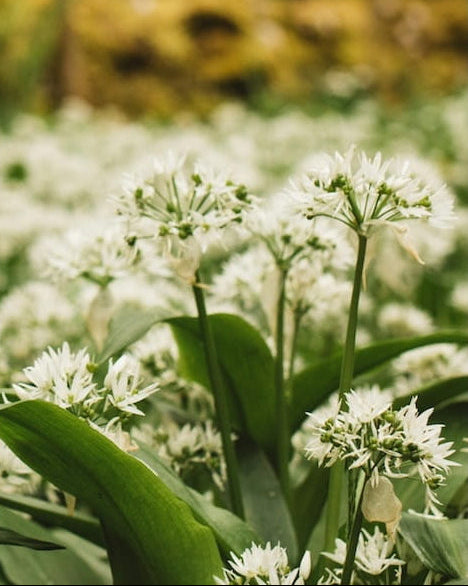
Wild Garlic is woodland magic you can smell before you see. White starry flowers, lush green leaves, and that unmistakable garlicky scent drifting through shady spring corners like nature has started cooking without telling anyone.
It has been foraged and used in food for centuries, turning woods into seasonal kitchens long before wild garlic pesto started appearing in every countryside café with exposed brick and ambitious pricing.
This is a plant for cool, shady, damp places. Give it the right spot and it can create a beautiful spring carpet. Bees visit the flowers, cooks eye up the leaves, and the garden starts smelling faintly of dinner. Not a bad outcome.
Wild Garlic likes shade or partial shade, moist soil, and low competition. It is best for woodland style areas, under trees, hedge edges, and shady wild corners.
Rip - Clear weeds, thick grass, and debris. Rake the soil so the seed can reach the surface.
Scatter - Scatter the seed thinly across the soil.
Sow - Press the seed gently into the surface so it makes contact. Do not bury it deeply.
When to sow - For best results sow from August to November. Wild Garlic seed benefits from natural winter conditions.
Where to sow - Choose a shaded or partly shaded spot with soil that stays moist but is not waterlogged. Avoid hot, dry, exposed areas.
After sowing, keep the area lightly moist if the weather is very dry. Wild Garlic does not want to dry out completely.
Once you can see green shoots, keep big weeds and thick grass away. Do not feed it. Woodland plants do not need the luxury treatment.
Wild Garlic from seed can be slow, so patience matters. It may take several years to form a strong patch.
Wild Garlic usually flowers from April to June once mature, producing white star shaped flowers above fresh green leaves.
It typically grows around 20 to 50 cm tall. As a perennial, it can return year after year once happy and may slowly spread into a wider patch.
The flowers are useful for pollinators, and the leaves are edible with a strong garlic flavour. Only eat plants you can identify confidently, and avoid foraging where pets or chemicals may be an issue. Woodland beauty, spring
flavour, and a little bit of botanical kitchen drama.
Yes, Wild Garlic can grow in pots, but it needs shade and moisture.
Use a medium to large pot with drainage holes. Fill it with peat free compost mixed with some leaf mould or garden soil to create a woodland style mix. The compost should hold moisture but not become waterlogged.
Scatter the seed thinly, press it in gently, and place the pot in shade or partial shade. Keep lightly moist, especially in dry weather. This is
not one for a hot, sunny patio.
We want your seeds to grow. If you follow our sowing instructions, give them a fair chance, and they still do not grow, we’ll put it right.
Eligible customers can choose either a refund for the seeds that did not grow, or replacement seeds of the same value.
For more information on our policy go to our No Grow No Fee page.
ALLIUM URSINUM
Wild Garlic is woodland magic you can smell before you see. White starry flowers, lush green leaves, and that unmistakable garlicky scent drifting through shady spring corners like nature has started cooking without telling anyone.
It has been foraged and used in food for centuries, turning woods into seasonal kitchens long before wild garlic pesto started appearing in every countryside café with exposed brick and ambitious pricing.
This is a plant for cool, shady, damp places. Give it the right spot and it can create a beautiful spring carpet. Bees visit the flowers, cooks eye up the leaves, and the garden starts smelling faintly of dinner. Not a bad outcome.
Wild Garlic likes shade or partial shade, moist soil, and low competition. It is best for woodland style areas, under trees, hedge edges, and shady wild corners.
Rip - Clear weeds, thick grass, and debris. Rake the soil so the seed can reach the surface.
Scatter - Scatter the seed thinly across the soil.
Sow - Press the seed gently into the surface so it makes contact. Do not bury it deeply.
When to sow - For best results sow from August to November. Wild Garlic seed benefits from natural winter conditions.
Where to sow - Choose a shaded or partly shaded spot with soil that stays moist but is not waterlogged. Avoid hot, dry, exposed areas.
After sowing, keep the area lightly moist if the weather is very dry. Wild Garlic does not want to dry out completely.
Once you can see green shoots, keep big weeds and thick grass away. Do not feed it. Woodland plants do not need the luxury treatment.
Wild Garlic from seed can be slow, so patience matters. It may take several years to form a strong patch.
Wild Garlic usually flowers from April to June once mature, producing white star shaped flowers above fresh green leaves.
It typically grows around 20 to 50 cm tall. As a perennial, it can return year after year once happy and may slowly spread into a wider patch.
The flowers are useful for pollinators, and the leaves are edible with a strong garlic flavour. Only eat plants you can identify confidently, and avoid foraging where pets or chemicals may be an issue. Woodland beauty, spring
flavour, and a little bit of botanical kitchen drama.
Yes, Wild Garlic can grow in pots, but it needs shade and moisture.
Use a medium to large pot with drainage holes. Fill it with peat free compost mixed with some leaf mould or garden soil to create a woodland style mix. The compost should hold moisture but not become waterlogged.
Scatter the seed thinly, press it in gently, and place the pot in shade or partial shade. Keep lightly moist, especially in dry weather. This is
not one for a hot, sunny patio.
We want your seeds to grow. If you follow our sowing instructions, give them a fair chance, and they still do not grow, we’ll put it right.
Eligible customers can choose either a refund for the seeds that did not grow, or replacement seeds of the same value.
For more information on our policy go to our No Grow No Fee page.
Sign up for exclusive offers, original stories, events and more.