
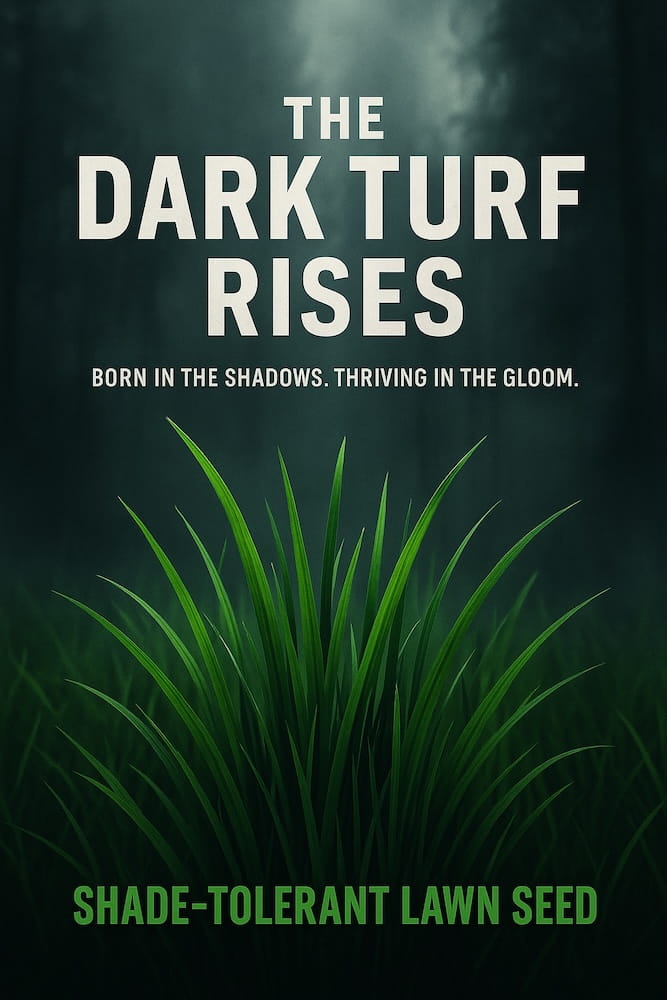
The Dark Turf Rises — Shady Lawn Seed Mix
Profile
Best For
Sowing
Aftercare
Results
No Grow, No Fee

CUSTOMER REVIEWS
FAQs
No-Grow No-Fee Policy
We understand that sometimes despite best efforts, wild flower seeds may not grow as expected. For cases where your seeds do not germinate or produce plants, we offer a no grow no fee refund policy.
Please contact our customer service team at info@seedrevolution.co.uk within 2 calendar months of the expected germination date to initiate a refund request under our no grow no fee policy. Our team will guide you through the process and may request additional information such as photos or proof of purchase.
Upon review and verification of your request, we will issue a refund or replacement, depending on your preference and our available stock.
Toxicity
Seeds sold through our website are for sowing purposes only and are not for human or animal consumption. Always keep out of reach of children and pets. Some species may be harmful if eaten by people, pets, horses, or livestock. Do not sow in grazing areas or where animals may eat the seeds or plants unless you have checked the species is suitable. Do not scatter seeds into rivers, ponds, streams, drains, protected habitats, public land, roadsides, nature reserves, or land you do not own or have permission to sow. Always follow the product-specific guidance, sow responsibly and follow local rules.
Shipping Information
We aim to dispatch all orders within 24 hours of your order being placed and all our UK orders are sent using Royal Mail Tracked 48.
For our full shipping details, please refer to our shipping policy page


