Sneezewort Native Wildflower Seed

Regular price £3.49

ACHILLEA PTARMICA

Sneezewort sounds like something a medieval doctor would prescribe while wearing a suspicious hat. And to be fair, the dried leaves were once used to make sneezing powder. Because apparently the past was mostly people inventing strange ways to irritate their own noses.

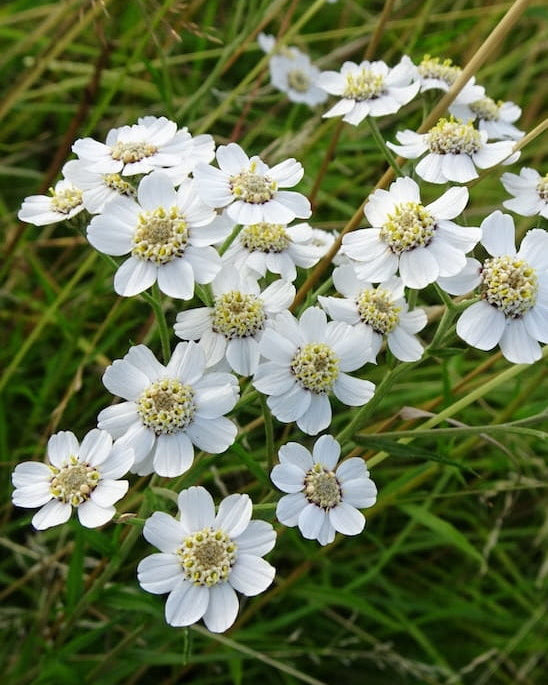
But beyond the ridiculous name, Sneezewort is a lovely native wildflower. White button like flowers, fresh green leaves, and a real taste for damper ground. It brings soft brightness to wet meadows, pond edges, and wildlife gardens where drier meadow plants might start complaining.

A little odd, very charming, and far prettier than the name suggests.

Profile

ACHILLEA PTARMICA

Sneezewort sounds like something a medieval doctor would prescribe while wearing a suspicious hat. And to be fair, the dried leaves were once used to make sneezing powder. Because apparently the past was mostly people inventing strange ways to irritate their own noses.

But beyond the ridiculous name, Sneezewort is a lovely native wildflower. White button like flowers, fresh green leaves, and a real taste for damper ground. It brings soft brightness to wet meadows, pond edges, and wildlife gardens where drier meadow plants might start complaining.

A little odd, very charming, and far prettier than the name suggests.

Planting

Sneezewort likes damp soil, sun or partial shade, and low competition. It is ideal for pond edges, damp meadows, wet borders, and wilder garden corners.

Rip - Clear weeds, grass, and debris. Rake the soil so the seed can reach the surface.

Scatter - Scatter the seed thinly across the soil.

Sow - Press the seed gently into the surface so it makes contact. Do not bury it deeply.

When to sow - For best results sow from August to November. You can also sow from March to May.

Where to sow - Choose a sunny or partly shaded spot with soil that holds moisture. Sneezewort is not the best choice for very dry, sandy, or baked ground.

Nurture

After sowing, keep the soil lightly moist while the seeds get going. In dry spells, a little water can help.

Once you can see green shoots, keep big weeds and thick grass away. Do not feed it. Rich soil usually encourages competition.

As a perennial, it may take time to build up before flowering strongly. Give it moisture, space, and patience.

Results

Sneezewort usually flowers from July to September, producing clusters of small white flowers that brighten damp spots.

It typically grows around 30 to 80 cm tall.

As a perennial, it can return year after year once happy. It is useful for pollinators, brilliant for wetter ground, and has one of the best names in the wildflower world. Ridiculous name, lovely plant.

Pots

Yes, Sneezewort can grow in pots, but it needs moisture.

Use a medium pot with drainage holes. Fill it with peat free compost mixed with some garden soil or low nutrient compost. The mix should hold moisture, but not become waterlogged.

Scatter the seed thinly, press it in gently, and place the pot in sun or partial shade. Keep lightly moist, especially in warm weather.
Sneezewort is not a plant for a dry, forgotten windowsill.

No Grow, No Fee

We want your seeds to grow. If you follow our sowing instructions, give them a fair chance, and they still do not grow, we’ll put it right.

Eligible customers can choose either a refund for the seeds that did not grow, or replacement seeds of the same value.

For more information on our policy go to our No Grow No Fee page.

CUSTOMER REVIEWS