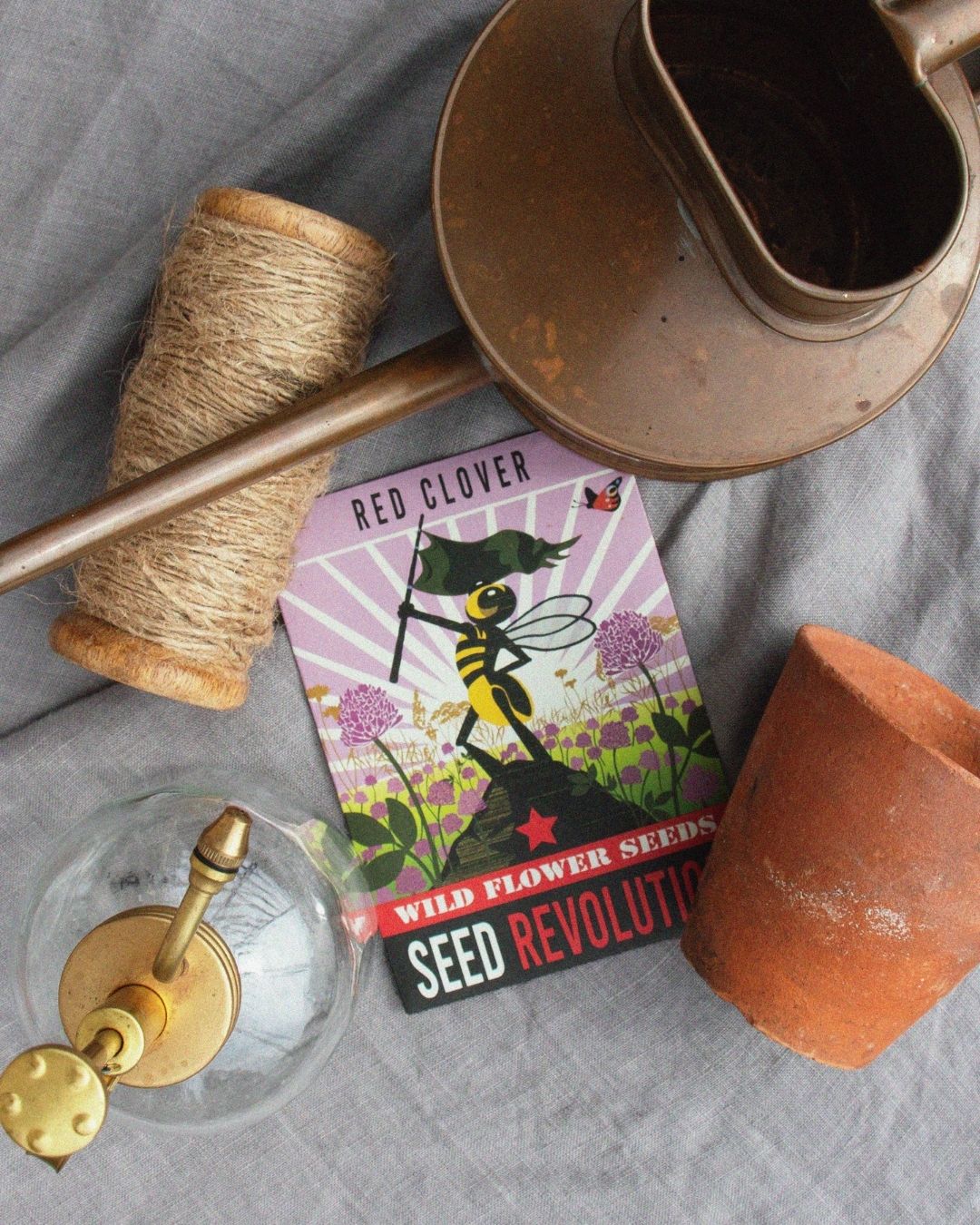
Red Clover Native Wildflower Seed
Regular price
£3.49
TRIFOLIUM PRATENSE
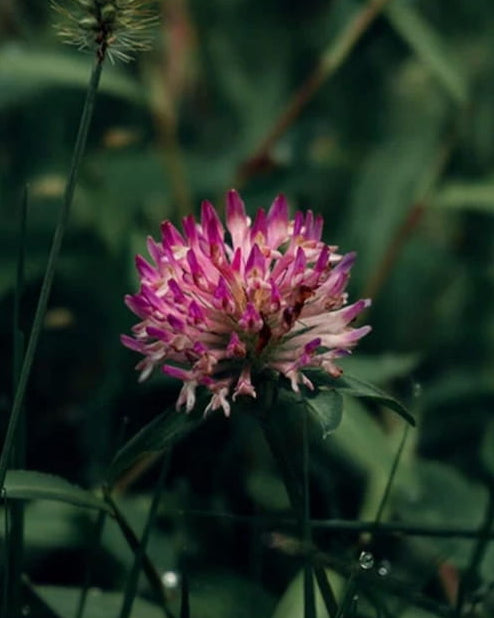
Red Clover is a small pink rebellion with excellent credentials. Druids believed it could ward off evil spirits. Irish freedom fighters used clover as a symbol of resistance. Organic farmers still use it to improve soil. Frankly, it has had a busier political career than most MPs.
Those rounded pink flower heads are loved by bees, especially bumblebees, who arrive like regulars at their favourite pub. It is also part of the pea family, which means it can help fix nitrogen and support healthier soil.
Pretty, useful, symbolic, and quietly radical. Red Clover is not just a flower. It’s a tiny manifesto.
Red Clover likes sunny spots, open ground, and low competition. It is useful for meadow areas, wildflower lawns, banks, and soil improvement.
Rip - Clear weeds, thick grass, and debris. Rake the soil so the seed can reach the surface.
Scatter - Scatter the seed thinly across the soil.
Sow - Press the seed gently into the surface, or cover very lightly with soil.
When to sow - For best results sow from March to May, or from August to November.
Where to sow - Choose a sunny spot with low competition. Red Clover can tolerate a range of soils, but it does best where grass is not too thick.
After sowing, keep the soil lightly moist while the seeds get going.
Once you can see green shoots, keep thick grass and big weeds away. Do not feed it. Red Clover can help improve soil itself, and feeding usually gives grass the upper hand.
Cut meadow areas after flowering and remove the cuttings if you want to keep conditions better for wildflowers.
Red Clover usually flowers from May to September, producing soft pink flower heads that bees love.
It typically grows around 20 to 60 cm tall.
As a short lived perennial, it can return for several years and may self seed where happy. It brings colour, pollinators, and soil improving benefits. A very small plant with very serious revolutionary energy.
Yes, Red Clover can grow in pots, although it is usually happiest in the ground.
Use a medium pot with drainage holes. Fill it with peat free, low nutrient compost mixed with sharp sand or grit to keep it open and free draining.
Scatter the seed thinly, press it in gently, and place the pot somewhere sunny. Keep lightly moist while the seeds get going. Once growing, water when the compost starts to dry out.
We want your seeds to grow. If you follow our sowing instructions, give them a fair chance, and they still do not grow, we’ll put it right.
Eligible customers can choose either a refund for the seeds that did not grow, or replacement seeds of the same value.
For more information on our policy go to our No Grow No Fee page.
TRIFOLIUM PRATENSE
Red Clover is a small pink rebellion with excellent credentials. Druids believed it could ward off evil spirits. Irish freedom fighters used clover as a symbol of resistance. Organic farmers still use it to improve soil. Frankly, it has had a busier political career than most MPs.
Those rounded pink flower heads are loved by bees, especially bumblebees, who arrive like regulars at their favourite pub. It is also part of the pea family, which means it can help fix nitrogen and support healthier soil.
Pretty, useful, symbolic, and quietly radical. Red Clover is not just a flower. It’s a tiny manifesto.
Red Clover likes sunny spots, open ground, and low competition. It is useful for meadow areas, wildflower lawns, banks, and soil improvement.
Rip - Clear weeds, thick grass, and debris. Rake the soil so the seed can reach the surface.
Scatter - Scatter the seed thinly across the soil.
Sow - Press the seed gently into the surface, or cover very lightly with soil.
When to sow - For best results sow from March to May, or from August to November.
Where to sow - Choose a sunny spot with low competition. Red Clover can tolerate a range of soils, but it does best where grass is not too thick.
After sowing, keep the soil lightly moist while the seeds get going.
Once you can see green shoots, keep thick grass and big weeds away. Do not feed it. Red Clover can help improve soil itself, and feeding usually gives grass the upper hand.
Cut meadow areas after flowering and remove the cuttings if you want to keep conditions better for wildflowers.
Red Clover usually flowers from May to September, producing soft pink flower heads that bees love.
It typically grows around 20 to 60 cm tall.
As a short lived perennial, it can return for several years and may self seed where happy. It brings colour, pollinators, and soil improving benefits. A very small plant with very serious revolutionary energy.
Yes, Red Clover can grow in pots, although it is usually happiest in the ground.
Use a medium pot with drainage holes. Fill it with peat free, low nutrient compost mixed with sharp sand or grit to keep it open and free draining.
Scatter the seed thinly, press it in gently, and place the pot somewhere sunny. Keep lightly moist while the seeds get going. Once growing, water when the compost starts to dry out.
We want your seeds to grow. If you follow our sowing instructions, give them a fair chance, and they still do not grow, we’ll put it right.
Eligible customers can choose either a refund for the seeds that did not grow, or replacement seeds of the same value.
For more information on our policy go to our No Grow No Fee page.
Sign up for exclusive offers, original stories, events and more.