Purple Loosestrife Native Wildflower Seed
Regular price
£3.99

LYTHRUM SALICARIA
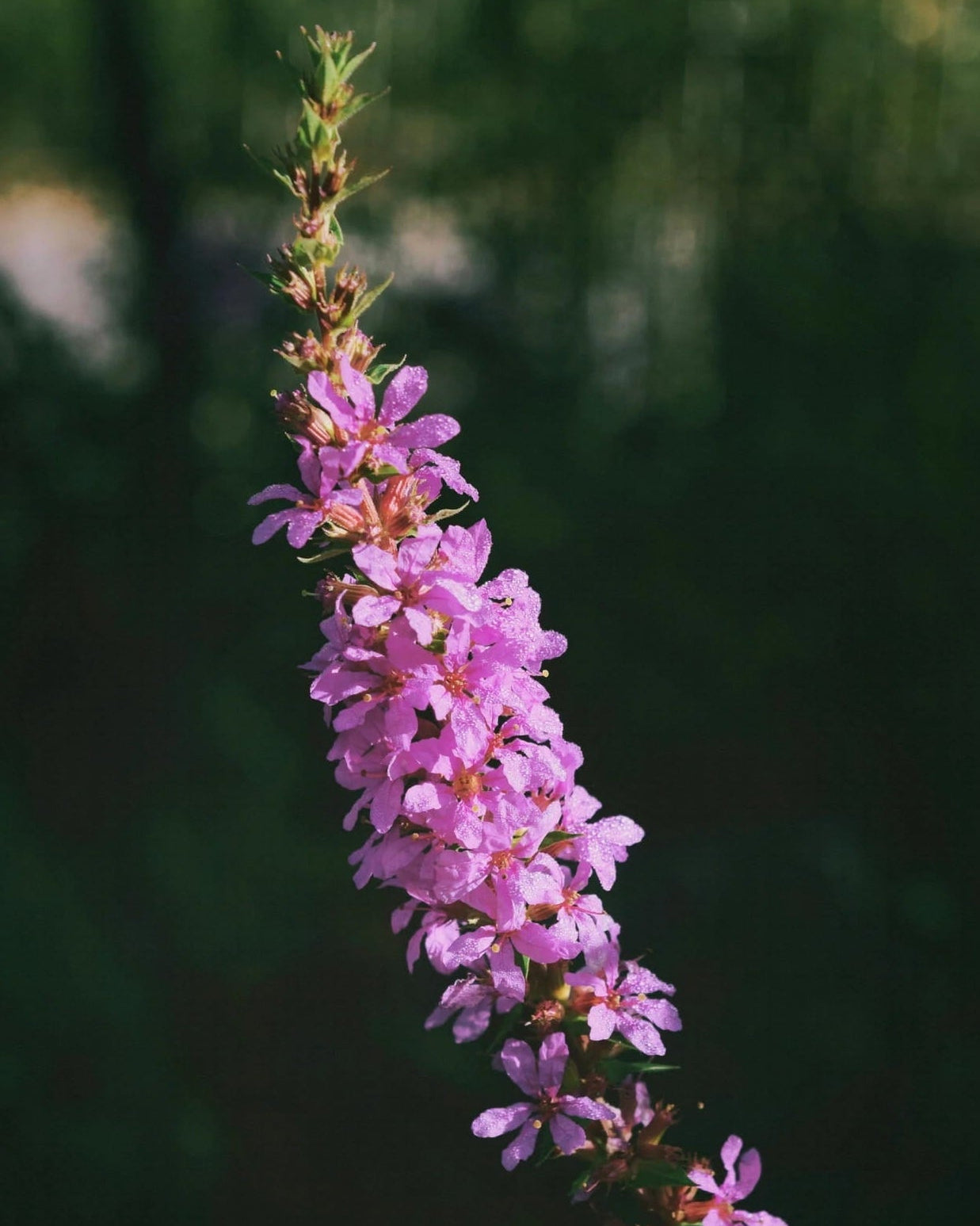
Purple Loosestrife is what happens when a pond edge gets dressed for a festival. Tall purple spires, dramatic reflections, dragonflies doing low fly-bys, bees arriving with purpose, butterflies pretending they just happened to be in the area.
This is not a shy little border plant. Purple Loosestrife wants moisture, space, and an audience. Give it a damp corner, a pond edge, or a wetter patch of garden, and suddenly you have something that feels less like landscaping and more like a wildlife venue.
In folklore, loosestrife was once used to calm wild animals and settle disagreements. Which is convenient, because once the pollinators find it, there may be queues…
Purple Loosestrife likes damp soil, sun or partial shade, and low competition. It is perfect for pond edges, stream sides, damp borders, and wetter wildflower areas.
Rip - Clear weeds, grass, and debris. Rake the soil so the seed can reach the surface.
Scatter - Scatter the seed thinly across the soil.
Sow - Press the seed gently into the surface so it makes contact. Do not bury it deeply.
When to sow - For best results sow from August to November. You can also sow from March to May.
Where to sow - Choose a sunny or partly shaded spot with soil that holds moisture. Purple Loosestrife is not the right choice for dry, sandy, or baked ground.
After sowing, keep the soil lightly moist while the seeds get going. This is a plant that enjoys moisture, so do not let the area dry out completely in long dry spells.
Once you can see green shoots, keep big weeds and thick grass from crowding them out. Do not feed it. Rich soil can encourage too much competition.
As a perennial, it may take time to build up before giving its best flower show. Give it moisture, light, and space.
Purple Loosestrife usually flowers from June to September, producing tall purple flower spikes that are brilliant for bees, butterflies, and hoverflies.
It typically grows around 60 to 120 cm tall, bringing height, colour, and movement to damp garden spaces.
As a perennial, it can return year after year once happy. A brilliant choice for turning a wet patch from “problem area” into “pollinator arrivals lounge”.
Yes, Purple Loosestrife can grow in pots, but it needs a container that stays moist.
Use a medium to large pot with drainage holes. Fill it with peat free compost mixed with some garden soil or low nutrient compost. Do not make the mix too dry.
Place the pot in sun or partial shade. Keep the compost lightly moist, especially in warm weather. This is not a plant for a dry, forgotten patio corner.
We want your seeds to grow. If you follow our sowing instructions, give them a fair chance, and they still do not grow, we’ll put it right.
Eligible customers can choose either a refund for the seeds that did not grow, or replacement seeds of the same value.
For more information on our policy go to our No Grow No Fee page.
LYTHRUM SALICARIA
Purple Loosestrife is what happens when a pond edge gets dressed for a festival. Tall purple spires, dramatic reflections, dragonflies doing low fly-bys, bees arriving with purpose, butterflies pretending they just happened to be in the area.
This is not a shy little border plant. Purple Loosestrife wants moisture, space, and an audience. Give it a damp corner, a pond edge, or a wetter patch of garden, and suddenly you have something that feels less like landscaping and more like a wildlife venue.
In folklore, loosestrife was once used to calm wild animals and settle disagreements. Which is convenient, because once the pollinators find it, there may be queues…
Purple Loosestrife likes damp soil, sun or partial shade, and low competition. It is perfect for pond edges, stream sides, damp borders, and wetter wildflower areas.
Rip - Clear weeds, grass, and debris. Rake the soil so the seed can reach the surface.
Scatter - Scatter the seed thinly across the soil.
Sow - Press the seed gently into the surface so it makes contact. Do not bury it deeply.
When to sow - For best results sow from August to November. You can also sow from March to May.
Where to sow - Choose a sunny or partly shaded spot with soil that holds moisture. Purple Loosestrife is not the right choice for dry, sandy, or baked ground.
After sowing, keep the soil lightly moist while the seeds get going. This is a plant that enjoys moisture, so do not let the area dry out completely in long dry spells.
Once you can see green shoots, keep big weeds and thick grass from crowding them out. Do not feed it. Rich soil can encourage too much competition.
As a perennial, it may take time to build up before giving its best flower show. Give it moisture, light, and space.
Purple Loosestrife usually flowers from June to September, producing tall purple flower spikes that are brilliant for bees, butterflies, and hoverflies.
It typically grows around 60 to 120 cm tall, bringing height, colour, and movement to damp garden spaces.
As a perennial, it can return year after year once happy. A brilliant choice for turning a wet patch from “problem area” into “pollinator arrivals lounge”.
Yes, Purple Loosestrife can grow in pots, but it needs a container that stays moist.
Use a medium to large pot with drainage holes. Fill it with peat free compost mixed with some garden soil or low nutrient compost. Do not make the mix too dry.
Place the pot in sun or partial shade. Keep the compost lightly moist, especially in warm weather. This is not a plant for a dry, forgotten patio corner.
We want your seeds to grow. If you follow our sowing instructions, give them a fair chance, and they still do not grow, we’ll put it right.
Eligible customers can choose either a refund for the seeds that did not grow, or replacement seeds of the same value.
For more information on our policy go to our No Grow No Fee page.
Sign up for exclusive offers, original stories, events and more.