Corn Chamomile Native Wildflower Seed
Regular price
£3.49
Fast-growing annual wildflower
Produces abundant daisy-like blooms
Self-seeds vigorously for next year
Thrives in full sunlight
Grows 30cm to 60cm tall
ANTHEMIS ARVENSIS
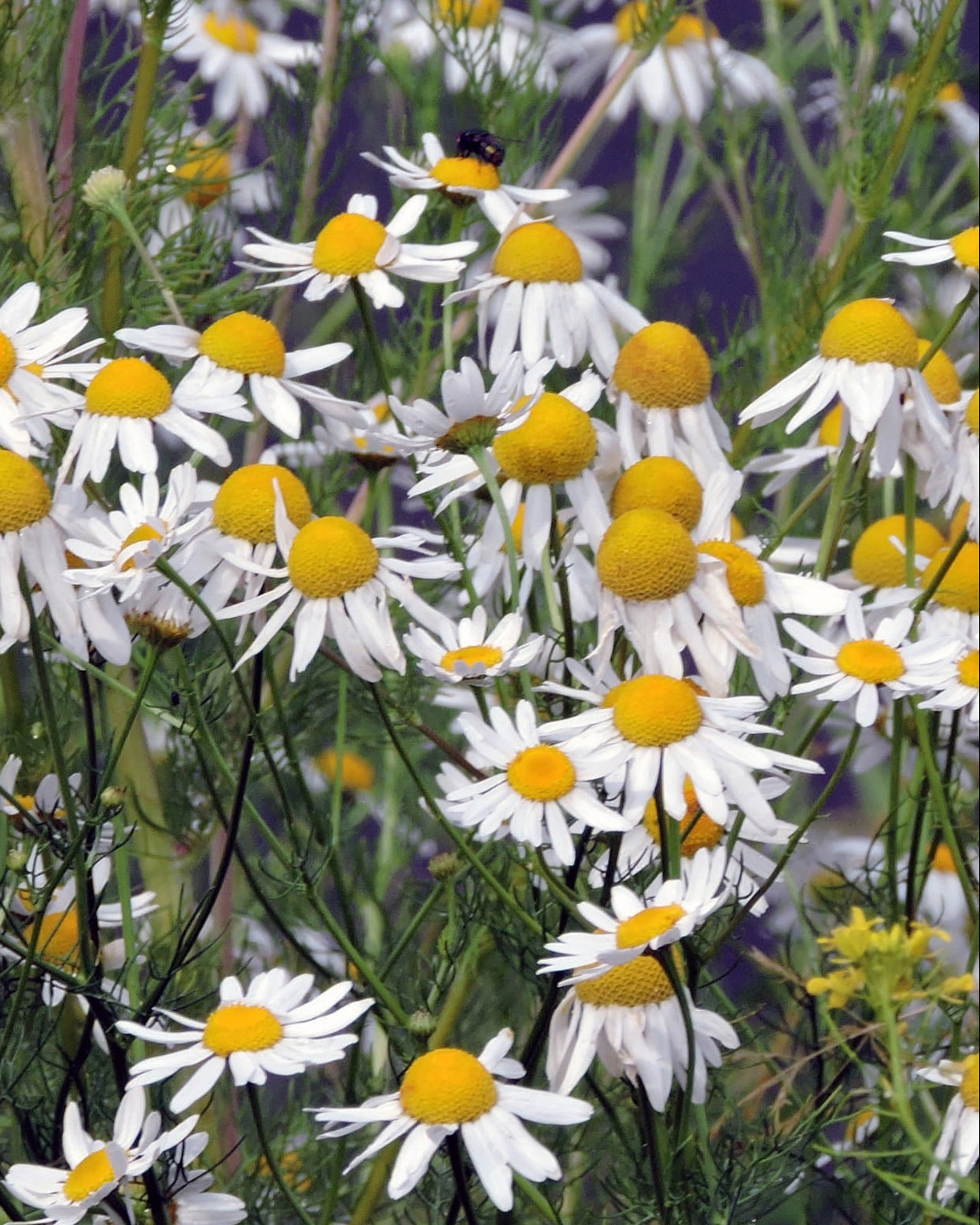
Corn Chamomile is not the sleepy little herbal tea stereotype. This is chamomile with its sleeves rolled up. Fast growing, bright, bold, and ready to turn bare soil into a summer flower show.
With fresh white petals and sunny yellow centres, it has that classic daisy look, but with more urgency. Corn Chamomile is an annual, which means it grows, flowers, sets seed, and gets the job done in one season. No five year plan. No committee meeting. No Jackie Weaver. Just flowers.
It is brilliant for quick colour, pollinators, and anyone who wants a wildflower that understands the assignment.
Corn Chamomile loves bare soil, sunshine, and low competition. It is one of the better choices if you want faster flowers from a spring sowing.
Rip - Clear weeds, grass, and debris. Rake the soil so you have a loose, open surface.
Scatter - Scatter the seed thinly across the soil. Do not pile it up in one area.
Sow - Press the seed gently into the surface so it makes contact with the soil. Do not bury it deeply.
When to sow - For best results sow from March to May for flowers in the same year. You can also sow from August to November for stronger plants the following year.
Where to sow - Choose a sunny spot with bare, free draining soil and very little competition. Corn Chamomile does best where grass and weeds are not allowed to take over.
After sowing, keep the soil lightly moist while the seeds get going, especially in dry weather.
Once you can see green shoots, keep grass and big weeds away. Corn Chamomile grows quickly, but young plants still need space and light.
Do not feed it. Rich soil can encourage leafy growth and
competition. If too many seedlings appear in one clump, gently pull a few out so the strongest ones have space.
Corn Chamomile usually flowers from June to September, especially when spring sown in a sunny, open spot.
It typically grows around 20 to 50 cm tall, bringing cheerful white and yellow flowers that give instant wildflower meadow energy.
It is an annual, so it flowers and sets seed in one season. Leave some flower heads standing and it may self seed for another round next year. Quick, bright, and very good at making you look like you know what you are doing.
Yes, Corn Chamomile can grow well in pots.
Use a medium pot, ideally at least 25 to 30 cm wide, with drainage holes. Fill it with peat free, low nutrient compost, mixed with sharp sand or grit to keep it free draining. Avoid rich compost. Wildflowers are not here for the luxury spa treatment.
Scatter the seed thinly, press it in gently, and place the pot somewhere sunny. Keep lightly moist while the seeds get going. Once growing, water when the compost starts to dry out.
We want your seeds to grow. If you follow our sowing instructions, give them a fair chance, and they still do not grow, we’ll put it right.
Eligible customers can choose either a refund for the seeds that did not grow, or replacement seeds of the same value.
For more information on our policy go to our No Grow No Fee page.
ANTHEMIS ARVENSIS
Corn Chamomile is not the sleepy little herbal tea stereotype. This is chamomile with its sleeves rolled up. Fast growing, bright, bold, and ready to turn bare soil into a summer flower show.
With fresh white petals and sunny yellow centres, it has that classic daisy look, but with more urgency. Corn Chamomile is an annual, which means it grows, flowers, sets seed, and gets the job done in one season. No five year plan. No committee meeting. No Jackie Weaver. Just flowers.
It is brilliant for quick colour, pollinators, and anyone who wants a wildflower that understands the assignment.
Corn Chamomile loves bare soil, sunshine, and low competition. It is one of the better choices if you want faster flowers from a spring sowing.
Rip - Clear weeds, grass, and debris. Rake the soil so you have a loose, open surface.
Scatter - Scatter the seed thinly across the soil. Do not pile it up in one area.
Sow - Press the seed gently into the surface so it makes contact with the soil. Do not bury it deeply.
When to sow - For best results sow from March to May for flowers in the same year. You can also sow from August to November for stronger plants the following year.
Where to sow - Choose a sunny spot with bare, free draining soil and very little competition. Corn Chamomile does best where grass and weeds are not allowed to take over.
After sowing, keep the soil lightly moist while the seeds get going, especially in dry weather.
Once you can see green shoots, keep grass and big weeds away. Corn Chamomile grows quickly, but young plants still need space and light.
Do not feed it. Rich soil can encourage leafy growth and
competition. If too many seedlings appear in one clump, gently pull a few out so the strongest ones have space.
Corn Chamomile usually flowers from June to September, especially when spring sown in a sunny, open spot.
It typically grows around 20 to 50 cm tall, bringing cheerful white and yellow flowers that give instant wildflower meadow energy.
It is an annual, so it flowers and sets seed in one season. Leave some flower heads standing and it may self seed for another round next year. Quick, bright, and very good at making you look like you know what you are doing.
Yes, Corn Chamomile can grow well in pots.
Use a medium pot, ideally at least 25 to 30 cm wide, with drainage holes. Fill it with peat free, low nutrient compost, mixed with sharp sand or grit to keep it free draining. Avoid rich compost. Wildflowers are not here for the luxury spa treatment.
Scatter the seed thinly, press it in gently, and place the pot somewhere sunny. Keep lightly moist while the seeds get going. Once growing, water when the compost starts to dry out.
We want your seeds to grow. If you follow our sowing instructions, give them a fair chance, and they still do not grow, we’ll put it right.
Eligible customers can choose either a refund for the seeds that did not grow, or replacement seeds of the same value.
For more information on our policy go to our No Grow No Fee page.
Sign up for exclusive offers, original stories, events and more.