Common Sorrel Native Wildflower Seed
Regular price
£3.49
RUMEX ACETOSA
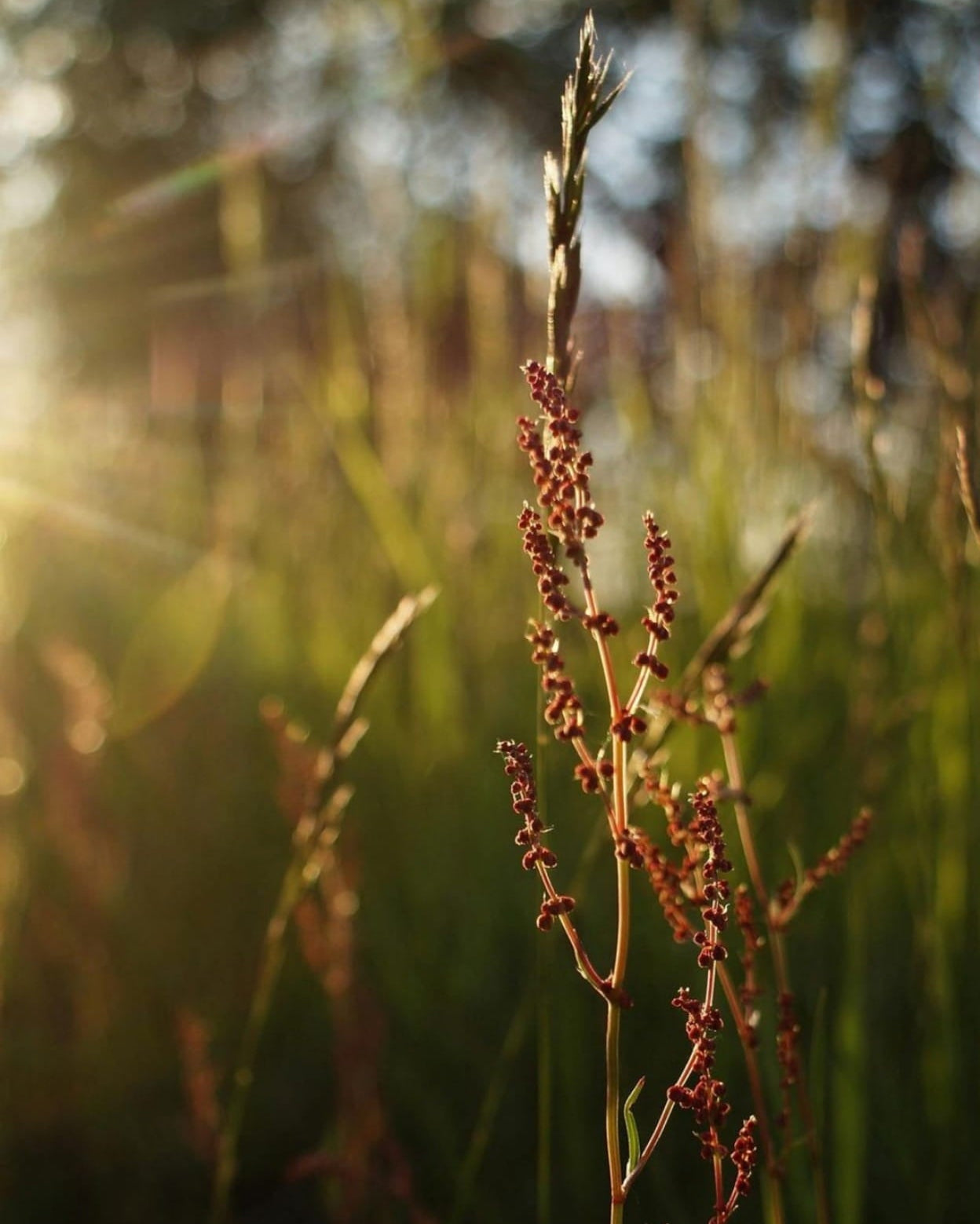
Common Sorrel is sharp, fresh, and quietly brilliant. A native wild plant with slender green leaves, reddish flower spikes, and a lemony tang that wakes up salads like a small botanical slap round the face.
It has been used as food for centuries, long before supermarkets decided herbs needed to come in tiny plastic coffins. The leaves have a bright, citrus flavour, and the plant brings a relaxed meadow feel to gardens, edges, and wilder patches.
Common Sorrel is not here to be flashy. It is here to be useful, edible, wildlife friendly, and just a little bit zesty. Revolutionary salad energy.
Common Sorrel likes sun or partial shade and does best in soil that is not too dry. It is a hardy perennial and a useful plant for meadows, borders, and wild edges.
Rip - Clear weeds, grass, and debris. Rake the soil so you have a loose, open surface.
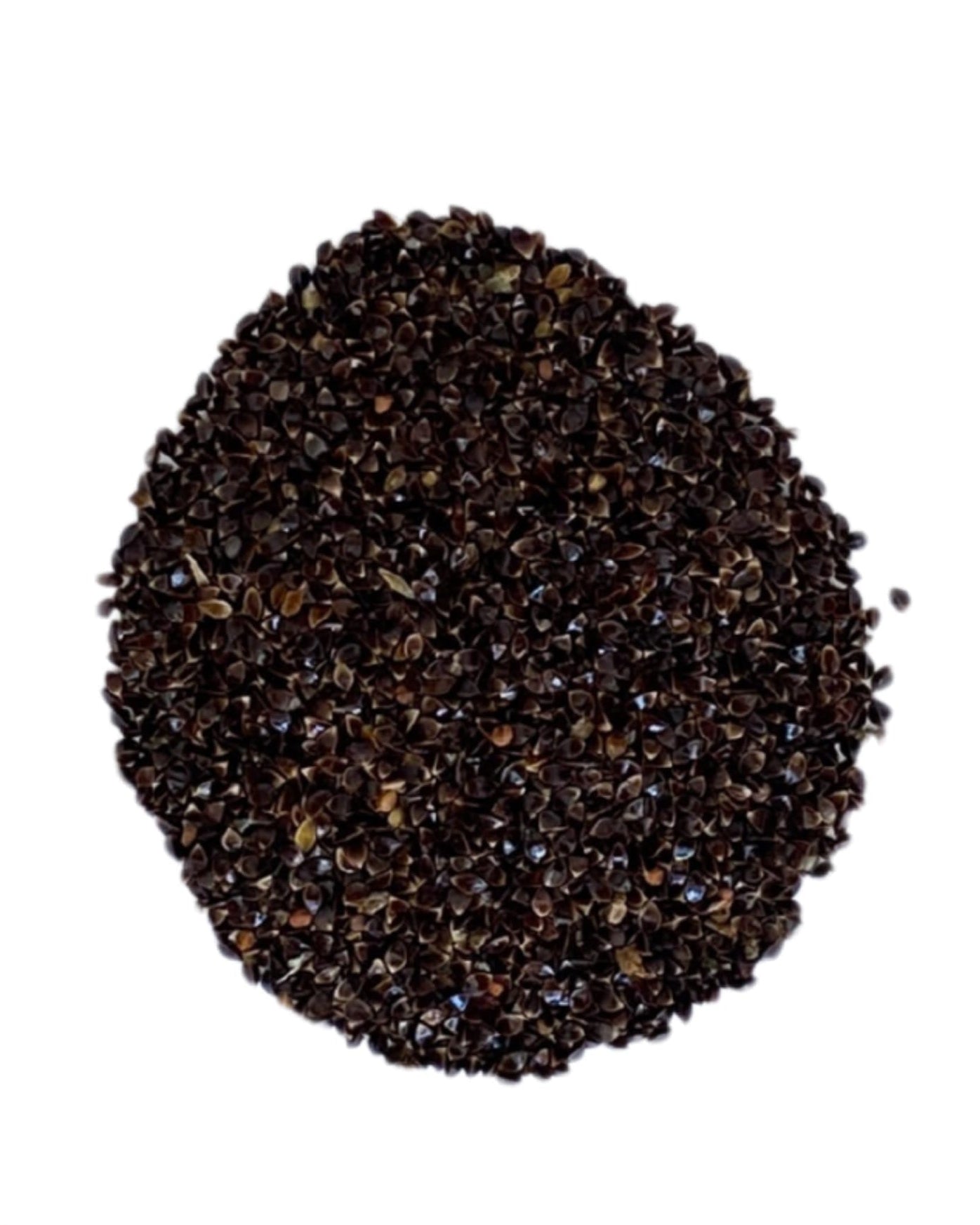
Scatter - Scatter the seed thinly across the soil.
Sow - Press the seed gently into the surface, or cover very lightly with soil.
When to sow - For best results sow from August to November. You can also sow from March to May.
Where to sow - Choose a sunny or partly shaded spot with low competition. Common Sorrel prefers soil that holds a little moisture, but it should not be waterlogged.
After sowing, keep the soil lightly moist while the seeds get going.
Once you can see green shoots, keep big weeds and thick grass from crowding them out. Do not feed heavily. Sorrel is tough and does not need much fuss.
If seedlings are crowded, gently pull a few out so the strongest ones have space. Once growing well, it should look after itself in the right spot.
Common Sorrel usually flowers from May to July, with slender reddish flower spikes above fresh green leaves.
It typically grows around 30 to 80 cm tall. As a perennial, it can return year after year once happy.
The leaves are edible and have a sharp lemony flavour, while the plant itself supports wildlife and brings a natural meadow feel. Useful, handsome, and with just enough bite to keep things interesting.
Yes, Common Sorrel can grow well in pots, and it is a good choice if you want edible leaves close to the kitchen.
Use a medium pot with drainage holes. Fill it with peat free compost mixed with some sharp sand or grit, but do not make it too dry. Sorrel likes moisture more than drought.
Scatter the seed thinly, press it in gently, and place the pot in sun or partial shade. Keep lightly moist while the seeds get going. Once growing, water when the top of the compost starts to dry out.
We want your seeds to grow. If you follow our sowing instructions, give them a fair chance, and they still do not grow, we’ll put it right.
Eligible customers can choose either a refund for the seeds that did not grow, or replacement seeds of the same value.
For more information on our policy go to our No Grow No Fee page.
RUMEX ACETOSA
Common Sorrel is sharp, fresh, and quietly brilliant. A native wild plant with slender green leaves, reddish flower spikes, and a lemony tang that wakes up salads like a small botanical slap round the face.
It has been used as food for centuries, long before supermarkets decided herbs needed to come in tiny plastic coffins. The leaves have a bright, citrus flavour, and the plant brings a relaxed meadow feel to gardens, edges, and wilder patches.
Common Sorrel is not here to be flashy. It is here to be useful, edible, wildlife friendly, and just a little bit zesty. Revolutionary salad energy.
Common Sorrel likes sun or partial shade and does best in soil that is not too dry. It is a hardy perennial and a useful plant for meadows, borders, and wild edges.
Rip - Clear weeds, grass, and debris. Rake the soil so you have a loose, open surface.
Scatter - Scatter the seed thinly across the soil.
Sow - Press the seed gently into the surface, or cover very lightly with soil.
When to sow - For best results sow from August to November. You can also sow from March to May.
Where to sow - Choose a sunny or partly shaded spot with low competition. Common Sorrel prefers soil that holds a little moisture, but it should not be waterlogged.
After sowing, keep the soil lightly moist while the seeds get going.
Once you can see green shoots, keep big weeds and thick grass from crowding them out. Do not feed heavily. Sorrel is tough and does not need much fuss.
If seedlings are crowded, gently pull a few out so the strongest ones have space. Once growing well, it should look after itself in the right spot.
Common Sorrel usually flowers from May to July, with slender reddish flower spikes above fresh green leaves.
It typically grows around 30 to 80 cm tall. As a perennial, it can return year after year once happy.
The leaves are edible and have a sharp lemony flavour, while the plant itself supports wildlife and brings a natural meadow feel. Useful, handsome, and with just enough bite to keep things interesting.
Yes, Common Sorrel can grow well in pots, and it is a good choice if you want edible leaves close to the kitchen.
Use a medium pot with drainage holes. Fill it with peat free compost mixed with some sharp sand or grit, but do not make it too dry. Sorrel likes moisture more than drought.
Scatter the seed thinly, press it in gently, and place the pot in sun or partial shade. Keep lightly moist while the seeds get going. Once growing, water when the top of the compost starts to dry out.
We want your seeds to grow. If you follow our sowing instructions, give them a fair chance, and they still do not grow, we’ll put it right.
Eligible customers can choose either a refund for the seeds that did not grow, or replacement seeds of the same value.
For more information on our policy go to our No Grow No Fee page.
Sign up for exclusive offers, original stories, events and more.