Sage Native Wildflower Seed
Regular price
£3.95
SALVIA OFFICINALIS
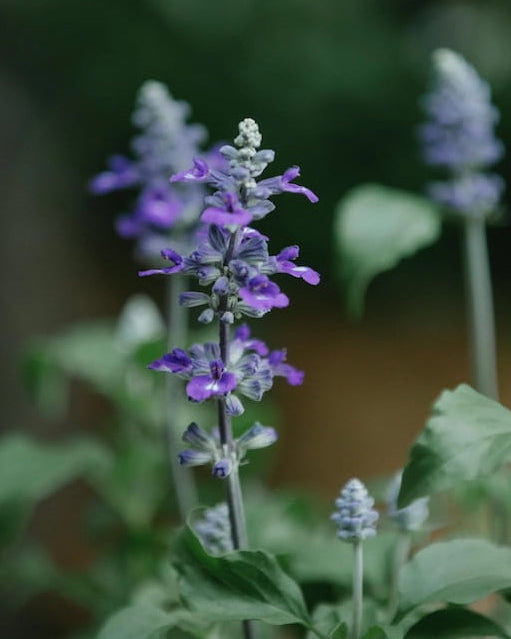
Common Sage is the wise old rebel of the herb garden. Silvery leaves, purple flowers, and a long history of being treated like it knows the secrets of the universe.
For centuries, sage has been used in cooking, medicine, rituals, and folklore. Its name comes from the Latin salvere, meaning to save or heal, which is a fairly bold CV for a plant that also happens to be excellent with roast potatoes.
When it flowers, bees love it. When it does not flower, you still have aromatic leaves, structure, scent, and a plant that makes your garden feel like it has opinions. Practical, beautiful, useful, and very much not boring.
Common Sage likes full sun and free draining soil. It does not like sitting wet, so avoid heavy, soggy ground.
Rip - Clear weeds, grass, and debris. Rake the soil so you have a loose, open surface.
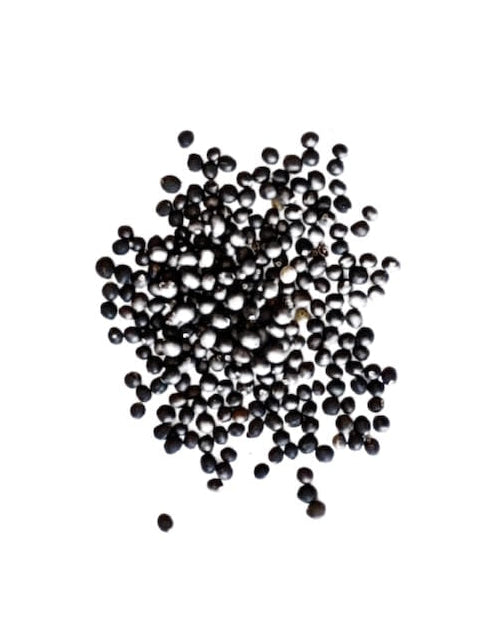
Scatter - Scatter the seed thinly across the soil.
Sow - Press the seed gently into the surface and cover very lightly with soil.
When to sow - For best results sow from August to November. You can also sow from March to May.
Where to sow - Choose a sunny, free draining spot with low competition. Sage works well in herb gardens, sunny borders, wildlife beds, and pots.
After sowing, keep the soil lightly moist while the seeds get going. Do not soak it.
Once you can see green shoots, keep weeds away and give the plants space. Sage does not need rich soil or lots of feeding. Too much pampering can make it soft and less resilient.
Once growing well, it prefers drier conditions. Water during long dry spells, especially in pots, but do not leave it sitting in wet soil.
Common Sage usually flowers from June to August, producing purple flowers that are loved by bees.
It typically grows around 30 to 70 cm tall, with aromatic grey green leaves that bring scent, structure, and year round interest.
As a perennial, Sage can return year after year if it has sun and good drainage. You get flowers for pollinators, leaves for the kitchen, and a plant with the quiet confidence of someone who has seen empires rise and fall.
Yes, Common Sage is excellent in pots.
Use a medium pot, ideally at least 25 to 30 cm wide, with drainage holes. Fill it with peat free compost mixed with sharp sand or grit, so it drains freely. Avoid heavy, wet compost. Wildflowers and wild herbs are not here for the luxury spa treatment.
Sow thinly, cover very lightly, and place the pot somewhere sunny. Keep lightly moist while the seeds get going. Once growing, water only when the compost starts to dry out.
We want your seeds to grow. If you follow our sowing instructions, give them a fair chance, and they still do not grow, we’ll put it right.
Eligible customers can choose either a refund for the seeds that did not grow, or replacement seeds of the same value.
For more information on our policy go to our No Grow No Fee page.
SALVIA OFFICINALIS
Common Sage is the wise old rebel of the herb garden. Silvery leaves, purple flowers, and a long history of being treated like it knows the secrets of the universe.
For centuries, sage has been used in cooking, medicine, rituals, and folklore. Its name comes from the Latin salvere, meaning to save or heal, which is a fairly bold CV for a plant that also happens to be excellent with roast potatoes.
When it flowers, bees love it. When it does not flower, you still have aromatic leaves, structure, scent, and a plant that makes your garden feel like it has opinions. Practical, beautiful, useful, and very much not boring.
Common Sage likes full sun and free draining soil. It does not like sitting wet, so avoid heavy, soggy ground.
Rip - Clear weeds, grass, and debris. Rake the soil so you have a loose, open surface.
Scatter - Scatter the seed thinly across the soil.
Sow - Press the seed gently into the surface and cover very lightly with soil.
When to sow - For best results sow from August to November. You can also sow from March to May.
Where to sow - Choose a sunny, free draining spot with low competition. Sage works well in herb gardens, sunny borders, wildlife beds, and pots.
After sowing, keep the soil lightly moist while the seeds get going. Do not soak it.
Once you can see green shoots, keep weeds away and give the plants space. Sage does not need rich soil or lots of feeding. Too much pampering can make it soft and less resilient.
Once growing well, it prefers drier conditions. Water during long dry spells, especially in pots, but do not leave it sitting in wet soil.
Common Sage usually flowers from June to August, producing purple flowers that are loved by bees.
It typically grows around 30 to 70 cm tall, with aromatic grey green leaves that bring scent, structure, and year round interest.
As a perennial, Sage can return year after year if it has sun and good drainage. You get flowers for pollinators, leaves for the kitchen, and a plant with the quiet confidence of someone who has seen empires rise and fall.
Yes, Common Sage is excellent in pots.
Use a medium pot, ideally at least 25 to 30 cm wide, with drainage holes. Fill it with peat free compost mixed with sharp sand or grit, so it drains freely. Avoid heavy, wet compost. Wildflowers and wild herbs are not here for the luxury spa treatment.
Sow thinly, cover very lightly, and place the pot somewhere sunny. Keep lightly moist while the seeds get going. Once growing, water only when the compost starts to dry out.
We want your seeds to grow. If you follow our sowing instructions, give them a fair chance, and they still do not grow, we’ll put it right.
Eligible customers can choose either a refund for the seeds that did not grow, or replacement seeds of the same value.
For more information on our policy go to our No Grow No Fee page.
Sign up for exclusive offers, original stories, events and more.