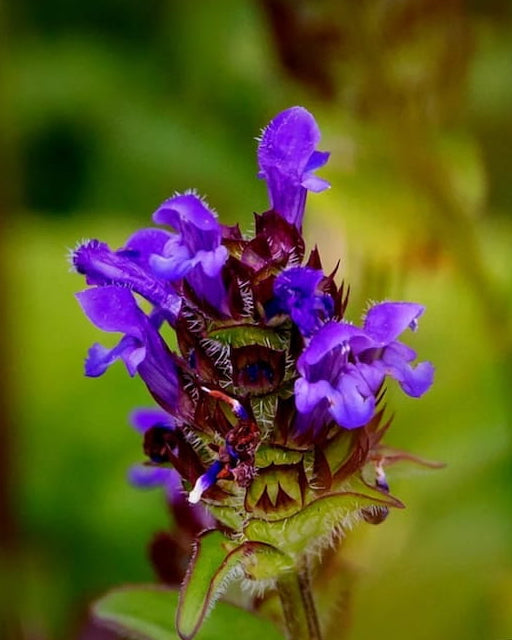
Self-Heal Native Wildflower Seed

  • Low-growing hardy perennial
  • Purple tubular flowers
  • Historic medicinal uses
  • Excellent ground cover
    Thrives in sun or shade
Regular price £3.95

PRUNELLA VULGARIS

Self Heal is small, purple, and historically treated like it had a tiny first aid kit hidden under its leaves. Its name says it all. For centuries, it was used in folk medicine, as if the countryside had quietly invented its own little pharmacy.

But Self Heal is not just old herbal lore in a purple hat. It is brilliant for bees, low growing, tough, and excellent for wildflower lawns, meadow edges, and relaxed grassy spaces. The sort of plant you can mow around, walk past, and then suddenly realise is doing far more than the show offs at the back.

A quiet revolutionary. Low to the ground, high in usefulness.

Profile

PRUNELLA VULGARIS

Self Heal is small, purple, and historically treated like it had a tiny first aid kit hidden under its leaves. Its name says it all. For centuries, it was used in folk medicine, as if the countryside had quietly invented its own little pharmacy.

But Self Heal is not just old herbal lore in a purple hat. It is brilliant for bees, low growing, tough, and excellent for wildflower lawns, meadow edges, and relaxed grassy spaces. The sort of plant you can mow around, walk past, and then suddenly realise is doing far more than the show offs at the back.

A quiet revolutionary. Low to the ground, high in usefulness.

Planting

Self Heal likes sun or partial shade and can cope with a range of soils. It is especially good for wildflower lawns, meadow edges, and low growing wildlife areas.

Rip - Clear weeds and reduce thick grass. Rake the soil so the seed can reach the surface.

Scatter - Scatter the seed thinly across the soil.

Sow - Press the seed gently into the surface so it makes contact. Do not bury it deeply.

When to sow - For best results sow from August to November. You can also sow from March to May.

Where to sow - Choose a sunny or partly shaded spot with low competition. Self Heal works well in wildflower lawns, meadow edges, borders, and shorter grass areas.

Nurture

After sowing, keep the soil lightly moist while the seeds get going.

Once you can see green shoots, keep big weeds and thick grass from crowding them out. Do not feed it. Rich soil encourages grass, and grass loves stealing the spotlight.

Once growing well, Self Heal is tough and low maintenance. It can handle occasional mowing once it has flowered and set seed.

Results

Self Heal usually flowers from June to September, producing short purple flower spikes that bees and other pollinators enjoy.

It typically grows around 5 to 30 cm tall, making it brilliant for lower growing wild areas, lawn edges, and pots.

As a perennial, it can return year after year once happy. Small, tough, useful, and full of old medicinal folklore. Basically, the village healer, but purple.

Pots

Yes, Self Heal can grow in pots.

Use a medium pot with drainage holes. Fill it with peat free, low nutrient compost mixed with a little sharp sand or grit.

Scatter the seed thinly, press it in gently, and place the pot in sun or partial shade. Keep lightly moist while the seeds get going. Once growing, water when the compost starts to dry out.

No Grow, No Fee

We want your seeds to grow. If you follow our sowing instructions, give them a fair chance, and they still do not grow, we’ll put it right.

Eligible customers can choose either a refund for the seeds that did not grow, or replacement seeds of the same value.

For more information on our policy go to our No Grow No Fee page.

CUSTOMER REVIEWS