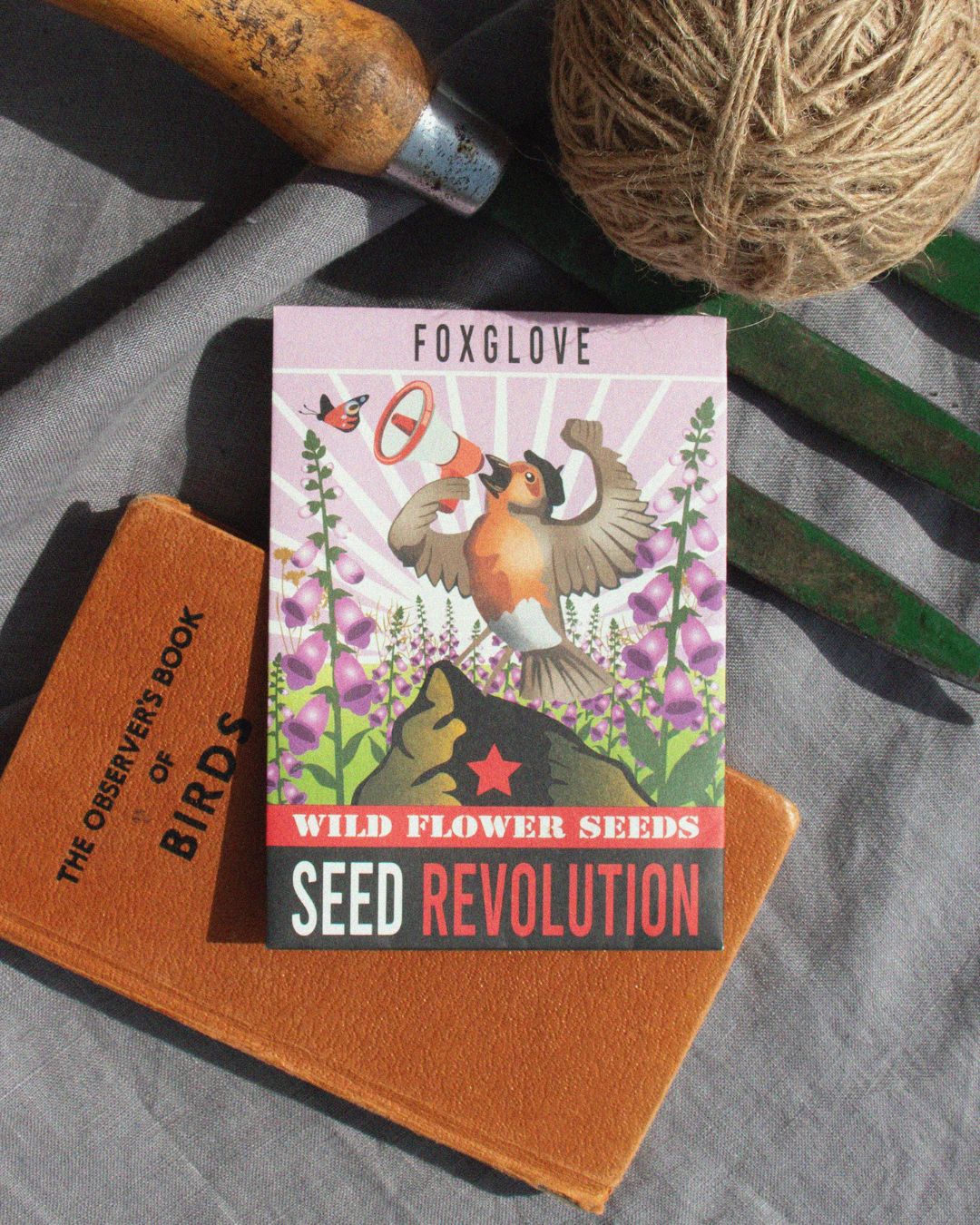
Foxglove Native Wildflower Seed

Regular price £3.99

DIGITALIS PURPUREA

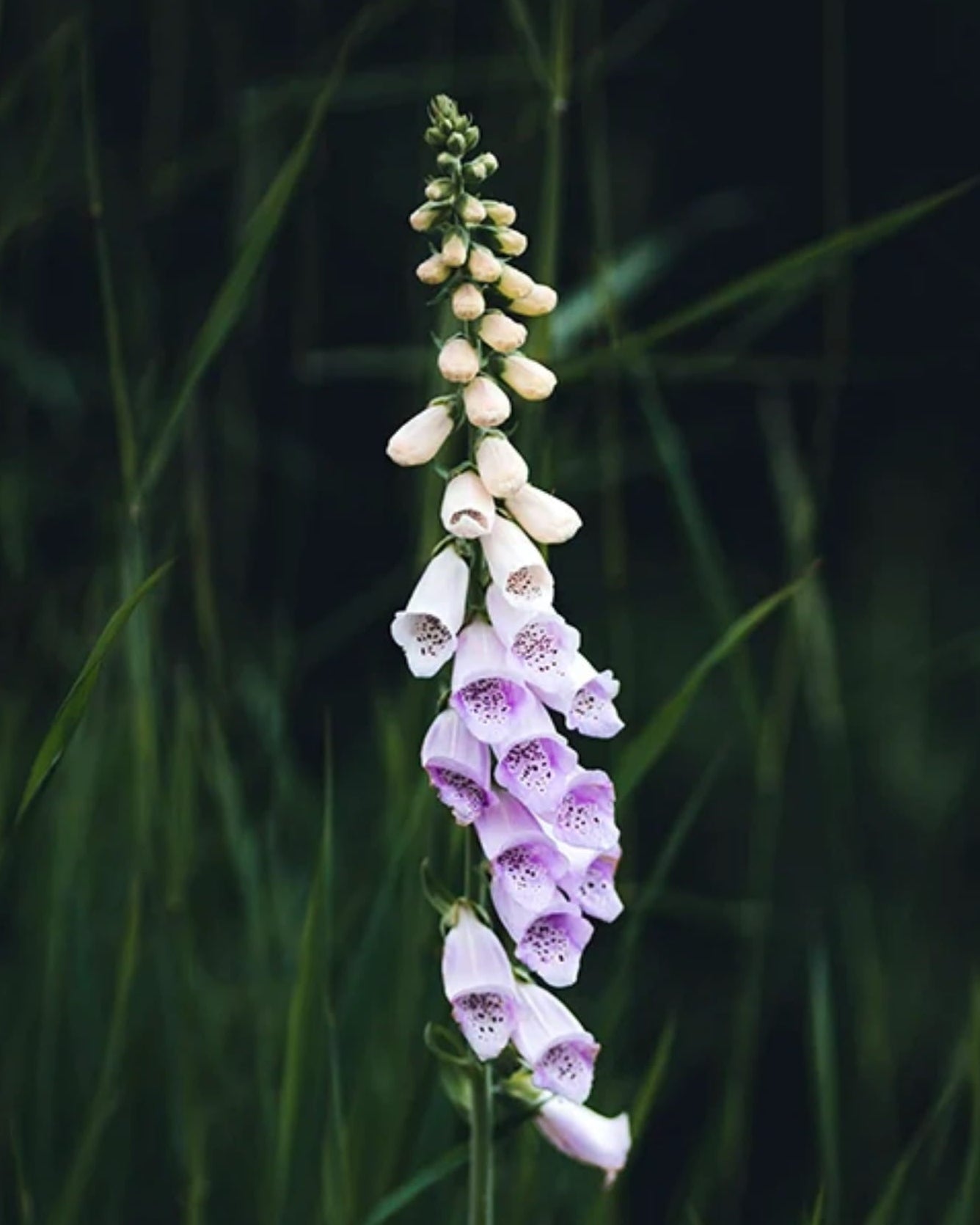
Foxgloves look like they’ve come straight off the set of the James Cameron film Avatar. Their bright and enchanting appeal is the epitome of the wild English landscape.

As children, many of us were told not to touch them because they were poisonous. Sensible advice, but it also gave Foxglove its strange magic. Beautiful, useful, sinister, and completely iconic. In folklore, the flowers were linked with fairies, foxes, witches, and woodland mischief.

Grow it for height, drama, pollinators, and a little bit of beautiful menace. Just do not eat it, and keep it sensible around children and pets.

Profile

DIGITALIS PURPUREA

Foxgloves look like they’ve come straight off the set of the James Cameron film Avatar. Their bright and enchanting appeal is the epitome of the wild English landscape.

As children, many of us were told not to touch them because they were poisonous. Sensible advice, but it also gave Foxglove its strange magic. Beautiful, useful, sinister, and completely iconic. In folklore, the flowers were linked with fairies, foxes, witches, and woodland mischief.

Grow it for height, drama, pollinators, and a little bit of beautiful menace. Just do not eat it, and keep it sensible around children and pets.

Planting

Foxglove likes partial shade, light shade, or gentle sun. It is brilliant for woodland edges, hedgerow style planting, shady borders, and wilder garden corners.

Rip - Clear weeds, grass, and debris. Rake the soil so you have a loose, open surface.

Scatter - Scatter the seed thinly across the soil. Foxglove seed is tiny, so do not sow too thickly.

Sow - Press the seed gently into the surface. Do not bury it deeply. It needs light to germinate.

When to sow - For best results sow from May to August for flowers the following year. You can also sow from August to November, but late spring and summer sowing is the classic route for biennials.

Where to sow - Choose a spot with partial shade, light shade, or gentle sun, and soil that does not dry out completely. Avoid very hot, dry, exposed sites.

Nurture

After sowing, keep the soil lightly moist while the seeds get going.

Once you can see green shoots, keep big weeds and thick grass away. Foxgloves do not need feeding. Too much richness can make them soft and floppy.

Foxglove is usually biennial. That means it grows leaves in the first year, then flowers in the second. Do not panic if you do not get flowers straight away. It is simply plotting something dramatic for next year.

Results

Foxgloves usually flower from June to July, with tall purple flower spikes that can completely transform a shady corner.

They typically grow around 60 to 150 cm tall, bringing height, structure, and serious woodland drama.

They are usually biennial, but they often self seed where happy, giving you future generations of floral troublemakers. Bees love them, especially bumblebees, and the whole plant brings a beautiful, gothic edge to the garden.

Pots

Yes, Foxgloves can grow in pots, but use a decent sized container because they can get tall.

Use a medium to large pot, ideally at least 30 cm wide, with drainage holes. Fill it with peat free compost mixed with some grit for drainage, but do not make it too dry.

Scatter the seed thinly on the surface, press it in gently, and place the pot in partial shade or gentle sun. Keep lightly moist while the seeds get going. Once growing, water when the compost starts to dry out.

No Grow, No Fee

We want your seeds to grow. If you follow our sowing instructions, give them a fair chance, and they still do not grow, we’ll put it right.

Eligible customers can choose either a refund for the seeds that did not grow, or replacement seeds of the same value.

For more information on our policy go to our No Grow No Fee page.

CUSTOMER REVIEWS