13% off
Cow Parsley Native Wildflower Seed
Sale price
£3.49
Regular price
£3.99

ANTHRISCUS SYLVESTRIS
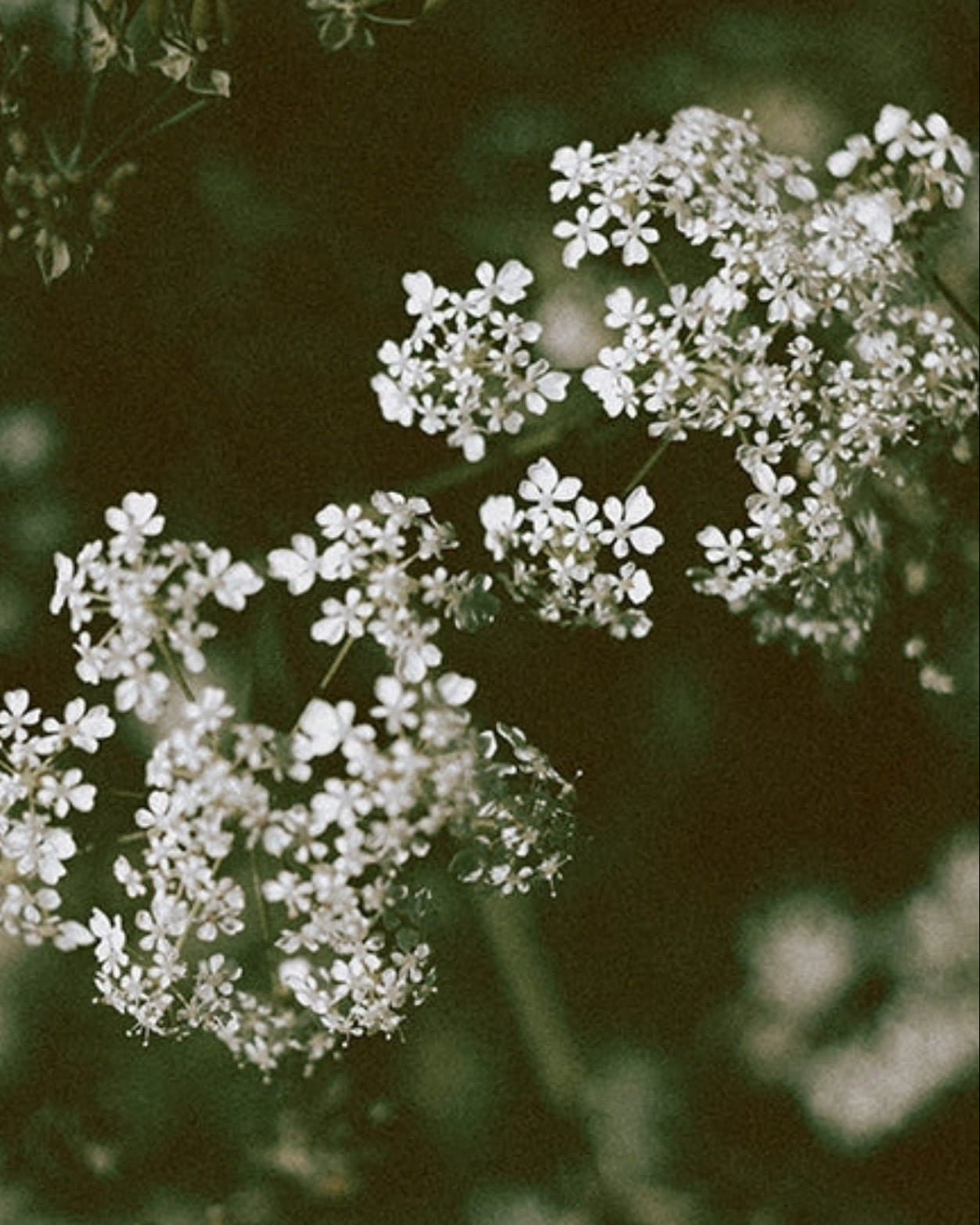
Cow Parsley is the frothy white confetti of the British countryside. You see it foaming along lanes, hedgerows, and woodland edges in spring, making everything look like the opening scene of a period drama.
It is tall, airy, and effortlessly romantic, with delicate white
flower heads that bring softness and movement to wilder spaces. Less manicured border, more countryside lane after rain. Very National Trust. Very “I might move to a cottage and write a novel.”
But Cow Parsley is also vigorous, so it needs the right place. Give it a relaxed wild corner, hedge edge, or larger natural area, and it can look spectacular. Give it a tiny neat border and it may start making executive decisions.
Cow Parsley is best for larger wild areas, hedge edges, woodland edges, and relaxed meadow style spaces. It likes sun or partial shade and soil that does not dry out too much.
Rip - Clear heavy weeds and thick grass. Rake the soil so the seed can reach the surface.
Scatter - Scatter the seed thinly across the soil. Do not sow too thickly, as Cow Parsley can be vigorous once happy.
Sow - Press the seed gently into the surface so it makes contact with the soil. Do not bury it deeply.
When to sow - For best results sow from August to November. Autumn sowing helps the seed experience natural winter conditions.
Where to sow - Choose a sunny or partly shaded spot with low competition. Cow Parsley is best for wild edges, hedgerow style planting, and larger natural spaces rather than small tidy beds.
After sowing, keep the soil lightly moist if the weather is very dry.
Once you can see green shoots, keep big weeds and thick grass from smothering them. Do not feed it. Cow Parsley does not need encouragement from rich soil.
It can spread where happy, so cut back after flowering if you want to limit self seeding. In a wilder space, leaving some seed heads can help create that soft countryside look again next year.
Cow Parsley usually flowers from April to June, bringing tall, airy clouds of white flowers.
It typically grows around 60 to 120 cm tall, giving height, softness, and that classic British lane side look.
It is a perennial or short lived perennial and can return where conditions suit it. Pollinators visit the flowers, and the visual effect is wonderfully romantic. Just give it space. Cow Parsley is beautiful, but it is not here to sit quietly in the corner.
Cow Parsley is not ideal for pots. It is tall, vigorous, and much happier in the ground where it can grow naturally.
If you do try it in a container, use a large, deep pot with drainage holes. Fill it with peat free compost mixed with some garden soil or sharp sand. Place it in sun or partial shade, and keep it lightly moist.
For most customers, Cow Parsley is better planted in the ground, especially along a hedge, boundary, woodland edge, or larger wild patch.
We want your seeds to grow. If you follow our sowing instructions, give them a fair chance, and they still do not grow, we’ll put it right.
Eligible customers can choose either a refund for the seeds that did not grow, or replacement seeds of the same value.
For more information on our policy go to our No Grow No Fee page.
ANTHRISCUS SYLVESTRIS
Cow Parsley is the frothy white confetti of the British countryside. You see it foaming along lanes, hedgerows, and woodland edges in spring, making everything look like the opening scene of a period drama.
It is tall, airy, and effortlessly romantic, with delicate white
flower heads that bring softness and movement to wilder spaces. Less manicured border, more countryside lane after rain. Very National Trust. Very “I might move to a cottage and write a novel.”
But Cow Parsley is also vigorous, so it needs the right place. Give it a relaxed wild corner, hedge edge, or larger natural area, and it can look spectacular. Give it a tiny neat border and it may start making executive decisions.
Cow Parsley is best for larger wild areas, hedge edges, woodland edges, and relaxed meadow style spaces. It likes sun or partial shade and soil that does not dry out too much.
Rip - Clear heavy weeds and thick grass. Rake the soil so the seed can reach the surface.
Scatter - Scatter the seed thinly across the soil. Do not sow too thickly, as Cow Parsley can be vigorous once happy.
Sow - Press the seed gently into the surface so it makes contact with the soil. Do not bury it deeply.
When to sow - For best results sow from August to November. Autumn sowing helps the seed experience natural winter conditions.
Where to sow - Choose a sunny or partly shaded spot with low competition. Cow Parsley is best for wild edges, hedgerow style planting, and larger natural spaces rather than small tidy beds.
After sowing, keep the soil lightly moist if the weather is very dry.
Once you can see green shoots, keep big weeds and thick grass from smothering them. Do not feed it. Cow Parsley does not need encouragement from rich soil.
It can spread where happy, so cut back after flowering if you want to limit self seeding. In a wilder space, leaving some seed heads can help create that soft countryside look again next year.
Cow Parsley usually flowers from April to June, bringing tall, airy clouds of white flowers.
It typically grows around 60 to 120 cm tall, giving height, softness, and that classic British lane side look.
It is a perennial or short lived perennial and can return where conditions suit it. Pollinators visit the flowers, and the visual effect is wonderfully romantic. Just give it space. Cow Parsley is beautiful, but it is not here to sit quietly in the corner.
Cow Parsley is not ideal for pots. It is tall, vigorous, and much happier in the ground where it can grow naturally.
If you do try it in a container, use a large, deep pot with drainage holes. Fill it with peat free compost mixed with some garden soil or sharp sand. Place it in sun or partial shade, and keep it lightly moist.
For most customers, Cow Parsley is better planted in the ground, especially along a hedge, boundary, woodland edge, or larger wild patch.
We want your seeds to grow. If you follow our sowing instructions, give them a fair chance, and they still do not grow, we’ll put it right.
Eligible customers can choose either a refund for the seeds that did not grow, or replacement seeds of the same value.
For more information on our policy go to our No Grow No Fee page.
Sign up for exclusive offers, original stories, events and more.