Wondrous Vetch Native Wildflower Seed

Regular price £2.99

VICIA SATIVA

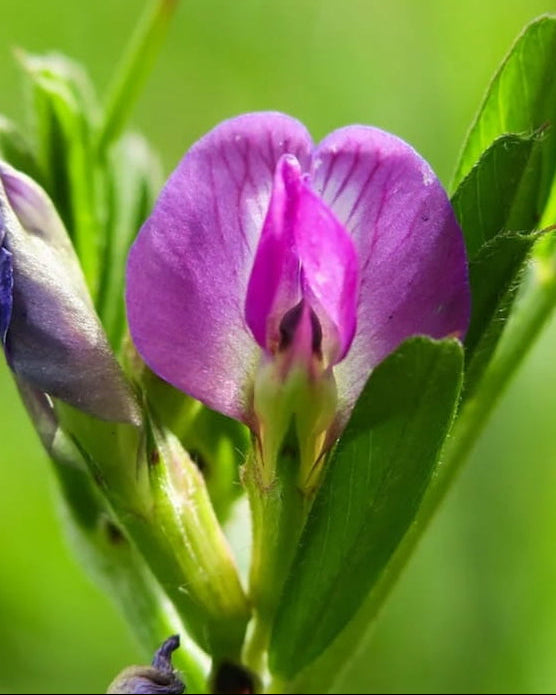
Common Vetch is a scrambling little rebel with purple pink flowers, curling tendrils, and a habit of grabbing onto whatever is nearby. Fences, grasses, other plants, thegeneral concept of personal space. It is not shy.

Part of the pea family, Common Vetch is brilliant for wildlife and useful for soil. Bees love the flowers, birds may enjoy the seeds, and the plant can help fix nitrogen, which is basically its way of quietly improving
the place while looking pretty.

It has that old farm edge, meadow margin, hedgerow tangle energy. A bit unruly, very useful, and completely at home in a wild garden that does not want to behave too much.

Profile

VICIA SATIVA

Common Vetch is a scrambling little rebel with purple pink flowers, curling tendrils, and a habit of grabbing onto whatever is nearby. Fences, grasses, other plants, thegeneral concept of personal space. It is not shy.

Part of the pea family, Common Vetch is brilliant for wildlife and useful for soil. Bees love the flowers, birds may enjoy the seeds, and the plant can help fix nitrogen, which is basically its way of quietly improving
the place while looking pretty.

It has that old farm edge, meadow margin, hedgerow tangle energy. A bit unruly, very useful, and completely at home in a wild garden that does not want to behave too much.

Planting

Common Vetch likes sunny spots, open ground, and low competition. It can scramble through grasses and other wildflowers, so it works well in meadow areas, banks, and wild edges.

Rip - Clear weeds, thick grass, and debris. Rake the soil so you have a loose, open surface.

Scatter - Scatter the seed thinly across the soil. Do not sow too thickly, as it can scramble and spread.

Sow - Press the seed into the surface, or cover very lightly with soil.

When to sow - For best results sow from August to November. You can also sow from March to May.

Where to sow - Choose a sunny spot with free draining soil and low competition. Common Vetch is ideal for meadow edges, banks, hedgerow style planting, and wildlife gardens.

Nurture

After sowing, keep the soil lightly moist while the seeds get going.

Once you can see green shoots, keep big weeds and thick grass from crowding them out. Common Vetch does not need feeding. It is part of the pea family, so it is already bringing its own soil improving tricks to the party.

If it grows strongly, let it scramble naturally through other meadow plants. That is part of its charm.

Results

Common Vetch usually flowers from May to August, producing purple pink pea like flowers that bees love.

It typically grows or scrambles to around 30 to 100 cm, depending on what it has to lean on. It is usually an annual, completing its life cycle in one season, but it can self seed where happy.

This is a great wildflower for adding movement, wildlife value, and a relaxed hedgerow feel. A little untidy in the best possible way.

Pots

Yes, Common Vetch can grow in pots, but it is a scrambler, so it works best in a larger container with something to lean on.

Use a medium to large pot with drainage holes. Fill it with peat free, low nutrient compost mixed with sharp sand or grit to keep it open and free draining.

Scatter a few seeds thinly, press them in, and place the pot somewhere sunny. You can add a few small twigs or a simple support if you want to help it climb. Keep lightly moist while the seeds get going, then water when the compost starts to dry out.

No Grow, No Fee

We want your seeds to grow. If you follow our sowing instructions, give them a fair chance, and they still do not grow, we’ll put it right.

Eligible customers can choose either a refund for the seeds that did not grow, or replacement seeds of the same value.

For more information on our policy go to our No Grow No Fee page.

CUSTOMER REVIEWS