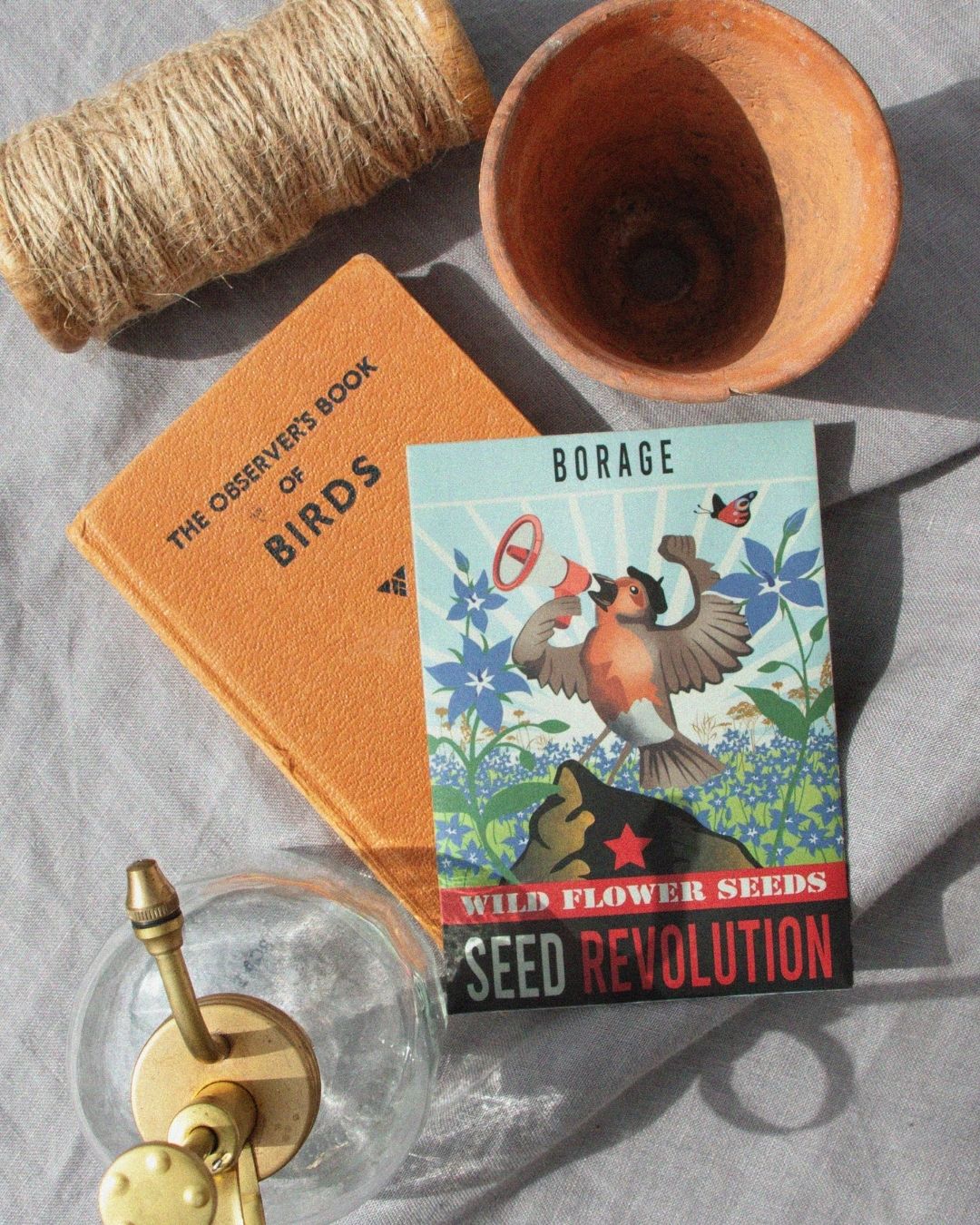
Borage Native Wildflower Seed

Regular price £3.49

BORAGO OFFICINALIS

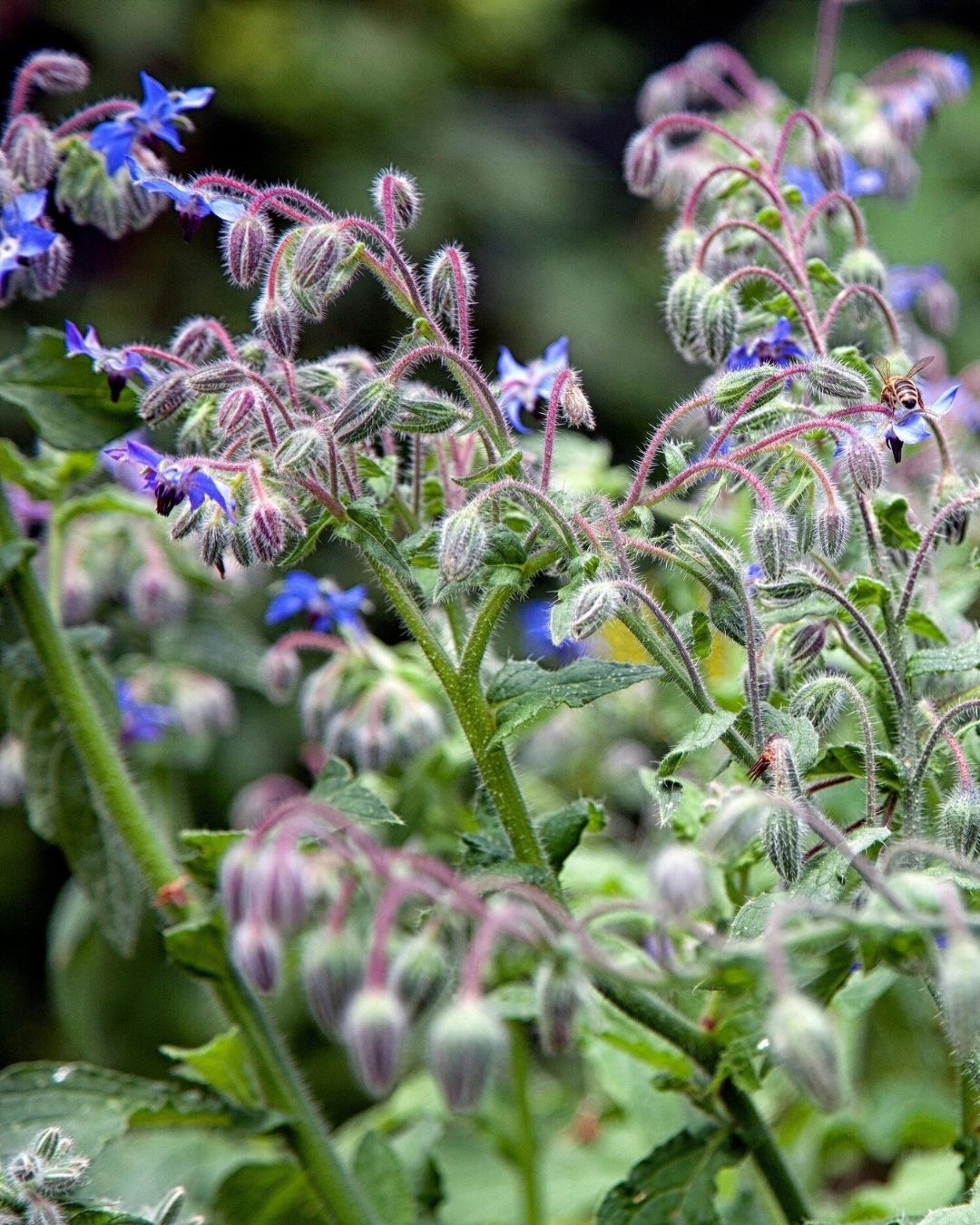
Borage is the wildflower equivalent of turning up to battle wearing a blue velvet cape. Big hairy leaves, star shaped indigo flowers, and absolutely no interest in being subtle.

Historically, Borage was associated with courage. It was fed to soldiers before battle, which feels dramatic, but also quite on brand. The flowers have a fresh cucumber like taste and can be used in salads, drinks, and summer dishes. Bees, meanwhile, treat it like an all day buffet.

It is bold, edible, beautiful, and ridiculously useful. A proper garden revolutionary.

Profile

BORAGO OFFICINALIS

Borage is the wildflower equivalent of turning up to battle wearing a blue velvet cape. Big hairy leaves, star shaped indigo flowers, and absolutely no interest in being subtle.

Historically, Borage was associated with courage. It was fed to soldiers before battle, which feels dramatic, but also quite on brand. The flowers have a fresh cucumber like taste and can be used in salads, drinks, and summer dishes. Bees, meanwhile, treat it like an all day buffet.

It is bold, edible, beautiful, and ridiculously useful. A proper garden revolutionary.

Planting

Borage is easy to grow and loves a sunny spot. It is an annual, so it grows, flowers, sets seed, and finishes its life cycle in one season.

Rip - Clear weeds, grass, and debris. Rake the soil so you have a loose, open surface.

Scatter - Sprinkle the seed thinly across the soil. Borage can grow big, so do not sow too thickly.

Sow - Press the seed into the soil surface, or cover very lightly with soil. Borage seed is larger than many wildflower seeds, so it can handle a little more coverage.

When to sow - For best results sow from March to May. You can also sow from August to September in milder areas, but spring is the easiest route for most gardeners.

Where to sow - Choose a sunny spot with free draining soil. Borage is not too fussy, but it does best with space, light, and not too much competition.

Nurture

After sowing, keep the soil lightly moist while the seeds get going.

Once you can see green shoots, keep big weeds and thick grass away. Borage grows quickly and usually becomes quite self sufficient once it has got going.

Do not overfeed it. Too much richness can make it leafy and floppy. If plants become crowded, gently pull out the weaker seedlings so the strongest ones have room to grow.

Results

Borage usually flowers from June to September, often bringing months of blue star shaped flowers.

It can grow around 60 to 90 cm tall, sometimes more in good conditions, so give it space to be its dramatic self.

It is an annual, but it can self seed if it is happy, meaning you may see new plants appearing next year. Bees adore it, the flowers are edible, and it brings proper wild, blue, slightly unruly joy to the garden.

Pots

Yes, Borage can grow in pots, but it gets big, so give it room.

Use a large pot, ideally at least 30 cm wide and fairly deep, with drainage holes. Fill it with peat free compost mixed with sharp sand or grit to keep it open and free draining. Avoid very rich compost. Wildflowers are not here for the luxury spa treatment.

Sow a few seeds directly into the pot, press them in, and cover very lightly with compost. Place the pot in full sun. Keep lightly moist while the seeds get going, then water when the compost starts to dry out.

No Grow, No Fee

We want your seeds to grow. If you follow our sowing instructions, give them a fair chance, and they still do not grow, we’ll put it right.

Eligible customers can choose either a refund for the seeds that did not grow, or replacement seeds of the same value.

For more information on our policy go to our No Grow No Fee page.

CUSTOMER REVIEWS