Black Medick Native Wildflower Seed
Regular price
£2.99
MEDICAGO LUPULINA
Black Medic, also known as Yellow Trefoil, is one of those
wildflowers that quietly gets on with saving the world while everyone else demands attention.
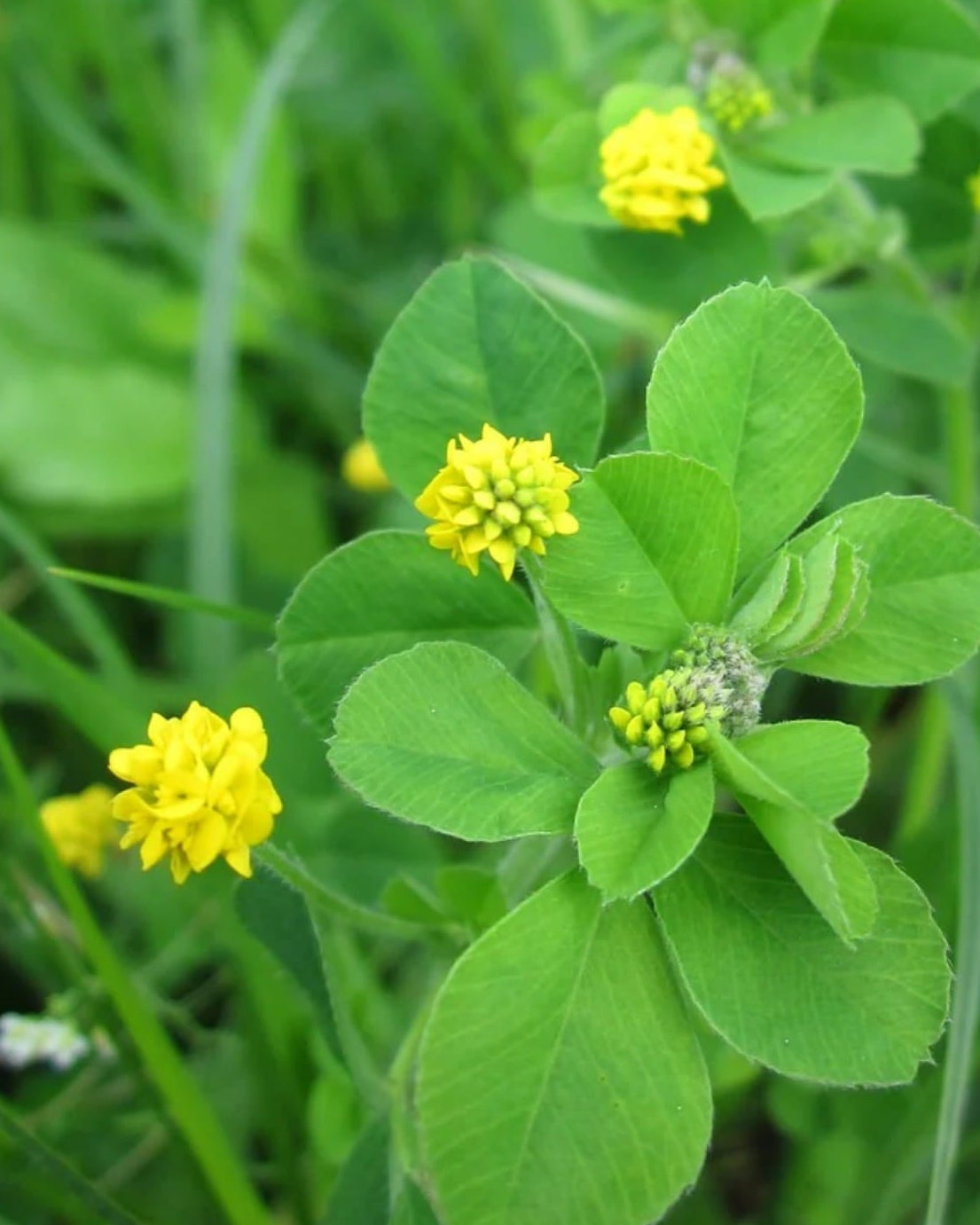
Low growing, tough, and covered in small yellow flowers, it is a proper grafter. Bees love it, poor soils benefit from it, and it handles dry, open ground with the sort of calm confidence we should all be aiming for.
It is part of the pea family, which means it can help fix nitrogen in the soil. Translation, this little yellow rebel can actually help improve the ground it grows in. Not bad for something most people have probably walked past without giving it the respect it deserves.
Black Medic likes sunny spots, bare soil, and low competition. It is especially useful for dry, poor, open ground where fussier plants might throw a tantrum.
Rip - Clear weeds, grass, and debris. Rake the soil so you have a loose, open surface.
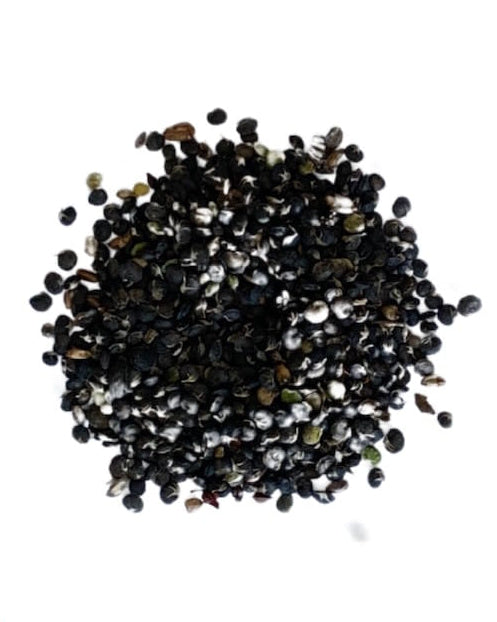
Scatter - Sprinkle the seed thinly across the soil.
Sow - Press the seed gently into the surface so it makes contact with the soil. Do not bury it deeply.
When to sow - For best results sow from August to November. You can also sow from March to May.
Where to sow - Choose a sunny spot with free draining soil and low competition. Black Medic is great for dry banks, meadow edges, wildflower lawns, and poorer soils.
After sowing, keep the soil lightly moist while the seeds get going. Once you can see green shoots, keep larger weeds and thick grass from smothering them.
Do not feed it. Black Medic is happy in poorer soils, and rich soil usually just gives grass and weeds an unfair advantage.
It is a low maintenance plant once growing. Give it light, space, and not too much fuss.
Black Medic usually flowers from May to September, producing small yellow flowers that are loved by bees and other pollinators.
It stays low, usually around 10 to 50 cm tall, making it useful for meadow lawns, edges, and more relaxed wild areas.
It can behave as an annual or short lived perennial depending on conditions, but it often self seeds where it is happy. Small, tough, useful, and quietly brilliant. The wildflower equivalent of someone who brings snacks,
fixes the tent, and asks for no applause.
Yes, Black Medic can grow in pots, although it is more often used in lawns, meadow areas, and open ground.
Use a medium pot with drainage holes. Fill it with peat free, low nutrient compost, mixed with sharp sand or grit if you want to keep it extra free draining.
Scatter the seed thinly across the surface, press it in gently, and place the pot in a sunny spot. Keep lightly moist while the seeds get going. Once growing, water only when the compost starts to dry out.
We want your seeds to grow. If you follow our sowing instructions, give them a fair chance, and they still do not grow, we’ll put it right.
Eligible customers can choose either a refund for the seeds that did not grow, or replacement seeds of the same value.
For more information on our policy go to our No Grow No Fee page.
MEDICAGO LUPULINA
Black Medic, also known as Yellow Trefoil, is one of those
wildflowers that quietly gets on with saving the world while everyone else demands attention.
Low growing, tough, and covered in small yellow flowers, it is a proper grafter. Bees love it, poor soils benefit from it, and it handles dry, open ground with the sort of calm confidence we should all be aiming for.
It is part of the pea family, which means it can help fix nitrogen in the soil. Translation, this little yellow rebel can actually help improve the ground it grows in. Not bad for something most people have probably walked past without giving it the respect it deserves.
Black Medic likes sunny spots, bare soil, and low competition. It is especially useful for dry, poor, open ground where fussier plants might throw a tantrum.
Rip - Clear weeds, grass, and debris. Rake the soil so you have a loose, open surface.
Scatter - Sprinkle the seed thinly across the soil.
Sow - Press the seed gently into the surface so it makes contact with the soil. Do not bury it deeply.
When to sow - For best results sow from August to November. You can also sow from March to May.
Where to sow - Choose a sunny spot with free draining soil and low competition. Black Medic is great for dry banks, meadow edges, wildflower lawns, and poorer soils.
After sowing, keep the soil lightly moist while the seeds get going. Once you can see green shoots, keep larger weeds and thick grass from smothering them.
Do not feed it. Black Medic is happy in poorer soils, and rich soil usually just gives grass and weeds an unfair advantage.
It is a low maintenance plant once growing. Give it light, space, and not too much fuss.
Black Medic usually flowers from May to September, producing small yellow flowers that are loved by bees and other pollinators.
It stays low, usually around 10 to 50 cm tall, making it useful for meadow lawns, edges, and more relaxed wild areas.
It can behave as an annual or short lived perennial depending on conditions, but it often self seeds where it is happy. Small, tough, useful, and quietly brilliant. The wildflower equivalent of someone who brings snacks,
fixes the tent, and asks for no applause.
Yes, Black Medic can grow in pots, although it is more often used in lawns, meadow areas, and open ground.
Use a medium pot with drainage holes. Fill it with peat free, low nutrient compost, mixed with sharp sand or grit if you want to keep it extra free draining.
Scatter the seed thinly across the surface, press it in gently, and place the pot in a sunny spot. Keep lightly moist while the seeds get going. Once growing, water only when the compost starts to dry out.
We want your seeds to grow. If you follow our sowing instructions, give them a fair chance, and they still do not grow, we’ll put it right.
Eligible customers can choose either a refund for the seeds that did not grow, or replacement seeds of the same value.
For more information on our policy go to our No Grow No Fee page.
Sign up for exclusive offers, original stories, events and more.