Betony Native Wildflower Seed

Sale price £3.99 Regular price £4.49

BETONICA OFFICINALIS

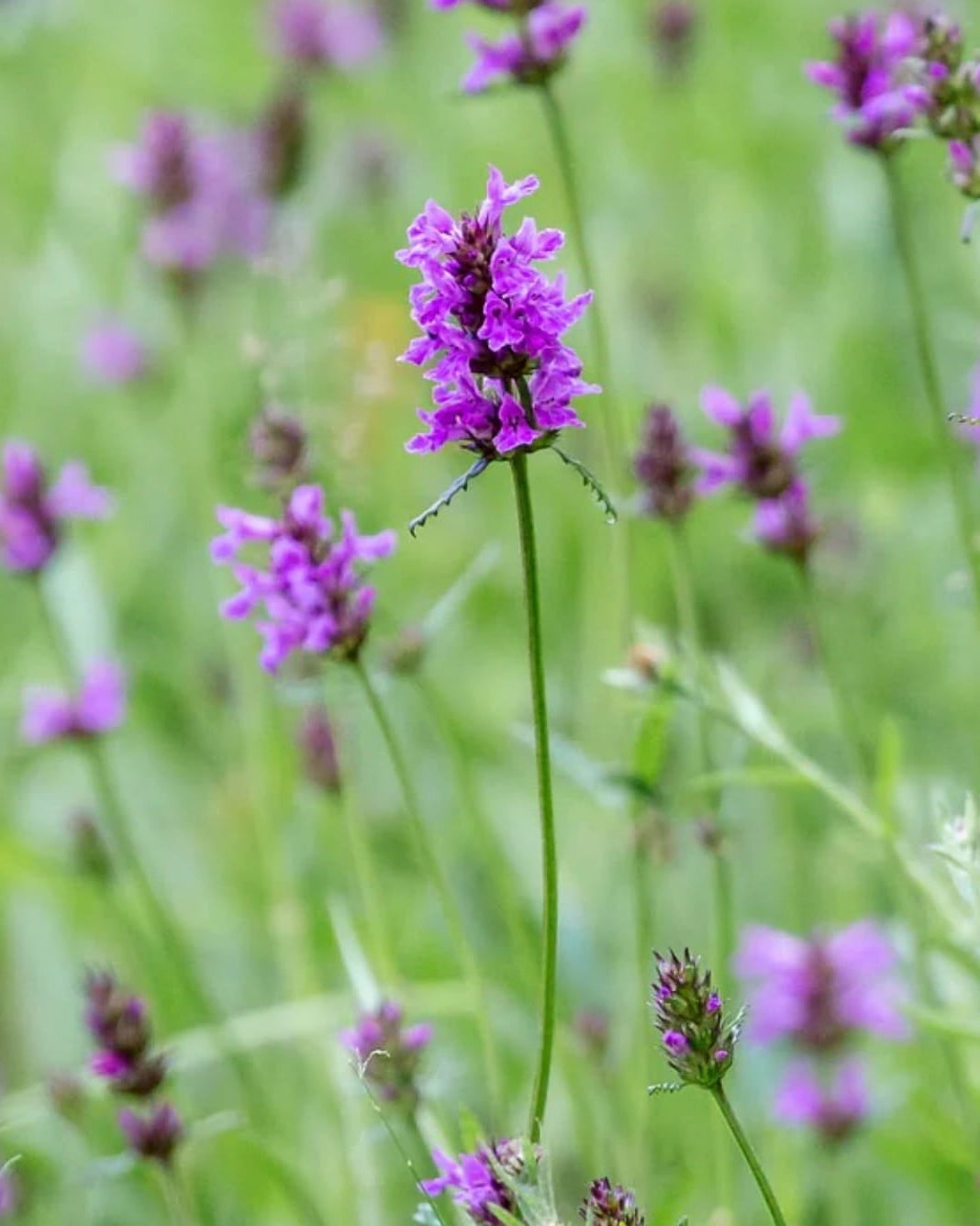
Betony is the quiet aristocrat of the wildflower world. Upright
purple flower spikes, proper old meadow energy, and the sort of plant that looks like it knows something you do not.

Once so treasured it was planted in monastery gardens and used in folk medicine for almost everything, Betony has serious history. Today, it is better known as a brilliant native perennial for bees, butterflies, and anyone who wants a garden that feels a little more alive, a little more ancient, and a lot less beige.

It is not shouty. It does not need to be. Betony has presence.

Profile

BETONICA OFFICINALIS

Betony is the quiet aristocrat of the wildflower world. Upright
purple flower spikes, proper old meadow energy, and the sort of plant that looks like it knows something you do not.

Once so treasured it was planted in monastery gardens and used in folk medicine for almost everything, Betony has serious history. Today, it is better known as a brilliant native perennial for bees, butterflies, and anyone who wants a garden that feels a little more alive, a little more ancient, and a lot less beige.

It is not shouty. It does not need to be. Betony has presence.

Planting

Betony likes sunny or lightly shaded spots with well drained soil. It is a perennial, so it may take a little time to settle in, but once it gets going it can return year after year.

Rip - Clear weeds, grass, and debris. Rake the soil so you have a loose, open surface.

Scatter - Sprinkle the seed thinly across the soil. Do not pile it up in one patch.

Sow - Gently press the seed into the surface so it makes contact with the soil. Do not bury it deeply.

When to sow - For best results sow from August to November. You can also sow from March to May.

Where to sow - Choose a sunny or partly shaded spot with free draining soil and low competition. Betony works beautifully in meadow edges, borders, wildlife gardens, and relaxed cottage style planting.

Nurture

After sowing, keep the soil lightly moist while the seeds get going, especially if the weather is very dry.

Once you can see green shoots, keep the area clear of big weeds and thick grass. Betony does not need feeding. Rich soil can encourage too much leafy growth and too much competition.

Because Betony is perennial, it may not give you a huge flower show in the first year. Do not panic. The first year is often about roots, leaves, and settling in. The better show usually comes once the plant has had time to establish itself.

Results

Betony usually flowers from June to September, bringing upright purple flower spikes that bees and butterflies absolutely love.

It typically grows to around 30 to 60 cm tall, giving height,
colour, and structure without taking over the garden. As a perennial, it should return year after year once happy.

This is a brilliant wildflower if you want something long lasting, wildlife friendly, and quietly impressive. Less flash in the pan, more ancient meadow royalty.

Pots

Yes, Betony can grow in pots, especially if you want a neat little pollinator magnet for a patio or sunny corner.

Use a medium pot, ideally at least 25 to 30 cm wide, with drainage holes. Fill it with peat free, low nutrient compost, or mix peat free compost with sharp sand or grit to keep it open and free draining. Avoid rich compost. Wildflowers are not here for the luxury spa treatment.

Scatter the seed thinly over the surface, press it in gently, and place the pot somewhere sunny or lightly shaded. Keep it lightly moist while the seeds get going. Once growing, water when the compost starts to dry out.

No Grow, No Fee

We want your seeds to grow. If you follow our sowing instructions, give them a fair chance, and they still do not grow, we’ll put it right.

Eligible customers can choose either a refund for the seeds that did not grow, or replacement seeds of the same value.

For more information on our policy go to our No Grow No Fee page.

CUSTOMER REVIEWS