Yellow Iris Native Wildflower Seed
Regular price
£3.49

IRIS PSEUDACORUS
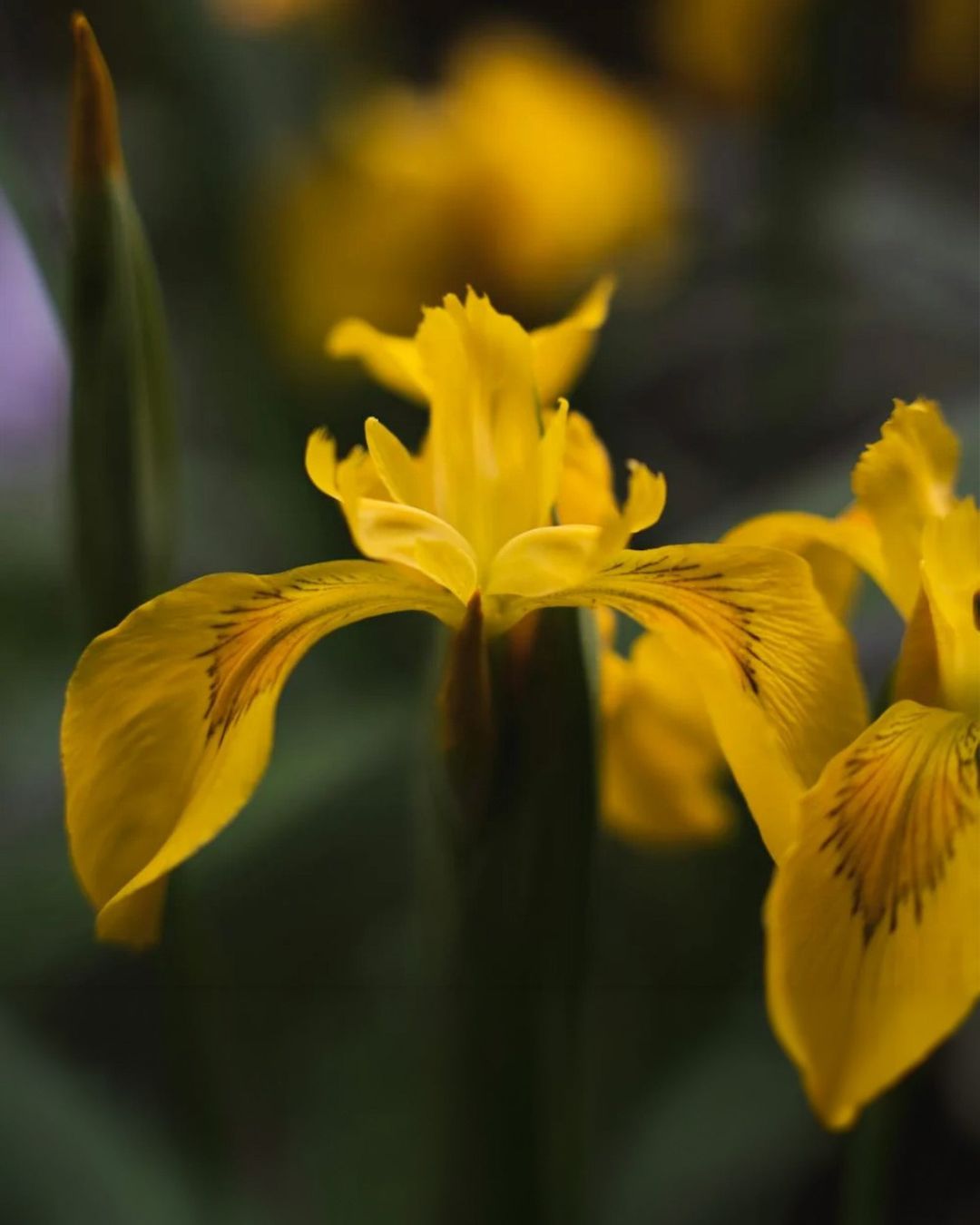
Yellow Iris is pond edge royalty. Tall green blades, bold golden flowers, and the kind of waterside confidence that makes frogs look like they are living on a private estate.
Also known as yellow flag iris, it has a long history in heraldry, water gardens, and wetland folklore. It looks grand because it is grand. This is not a shy plant for a dry little border. This is a flag waving, dragonfly attracting, pond side statement.
Give it damp ground or a wet edge and it will bring drama, height, and a flash of yellow that says, yes, this part of the garden is meant to be wet, actually.
Yellow Iris likes wet or damp soil, sun or partial shade, and plenty of space. It is ideal for pond edges, stream sides, ditches, boggy areas, and wet wildlife gardens.
Rip - Clear weeds, thick grass, and debris so the seed has space to reach the soil.
Scatter - Scatter the seed thinly across damp soil.
Sow - Press the seed into the surface, or cover very lightly with soil. Keep the area moist.
When to sow - For best results sow from August to November. Autumn sowing gives the seed natural winter conditions.
Where to sow - Choose a damp or wet spot in sun or partial shade. Yellow Iris is not suitable for dry soil or small dry pots.
After sowing, keep the soil moist. This is a wetland plant, so drying out is the main thing to avoid.
Once you can see green shoots, keep big weeds and thick grass from crowding them out. Do not feed it. It is vigorous enough in the right conditions.
Yellow Iris can become large, so give it space. It is best for bigger damp areas, pond edges, and wildlife gardens where bold growth is welcome.
Yellow Iris usually flowers from May to July, producing bold yellow flowers above tall sword like leaves.
It typically grows around 60 to 150 cm tall, bringing serious height and structure to wet areas.
As a perennial, it can return year after year once happy. It is valuable for wildlife cover around ponds and damp spaces, and it turns soggy
ground into a feature. Big yellow flag, big wetland energy.
Yellow Iris can grow in a pot, but it is best treated as a pond edge or wet container plant.
Use a large, deep pot with drainage holes if placing it into a damp area, or an aquatic style basket if growing near a pond. Use low nutrient aquatic compost or heavy garden soil, not rich multipurpose compost.
Keep it consistently moist. This is not a plant for a dry patio pot. It wants water, space, and the opportunity to look important.
We want your seeds to grow. If you follow our sowing instructions, give them a fair chance, and they still do not grow, we’ll put it right.
Eligible customers can choose either a refund for the seeds that did not grow, or replacement seeds of the same value.
For more information on our policy go to our No Grow No Fee page.
IRIS PSEUDACORUS
Yellow Iris is pond edge royalty. Tall green blades, bold golden flowers, and the kind of waterside confidence that makes frogs look like they are living on a private estate.
Also known as yellow flag iris, it has a long history in heraldry, water gardens, and wetland folklore. It looks grand because it is grand. This is not a shy plant for a dry little border. This is a flag waving, dragonfly attracting, pond side statement.
Give it damp ground or a wet edge and it will bring drama, height, and a flash of yellow that says, yes, this part of the garden is meant to be wet, actually.
Yellow Iris likes wet or damp soil, sun or partial shade, and plenty of space. It is ideal for pond edges, stream sides, ditches, boggy areas, and wet wildlife gardens.
Rip - Clear weeds, thick grass, and debris so the seed has space to reach the soil.
Scatter - Scatter the seed thinly across damp soil.
Sow - Press the seed into the surface, or cover very lightly with soil. Keep the area moist.
When to sow - For best results sow from August to November. Autumn sowing gives the seed natural winter conditions.
Where to sow - Choose a damp or wet spot in sun or partial shade. Yellow Iris is not suitable for dry soil or small dry pots.
After sowing, keep the soil moist. This is a wetland plant, so drying out is the main thing to avoid.
Once you can see green shoots, keep big weeds and thick grass from crowding them out. Do not feed it. It is vigorous enough in the right conditions.
Yellow Iris can become large, so give it space. It is best for bigger damp areas, pond edges, and wildlife gardens where bold growth is welcome.
Yellow Iris usually flowers from May to July, producing bold yellow flowers above tall sword like leaves.
It typically grows around 60 to 150 cm tall, bringing serious height and structure to wet areas.
As a perennial, it can return year after year once happy. It is valuable for wildlife cover around ponds and damp spaces, and it turns soggy
ground into a feature. Big yellow flag, big wetland energy.
Yellow Iris can grow in a pot, but it is best treated as a pond edge or wet container plant.
Use a large, deep pot with drainage holes if placing it into a damp area, or an aquatic style basket if growing near a pond. Use low nutrient aquatic compost or heavy garden soil, not rich multipurpose compost.
Keep it consistently moist. This is not a plant for a dry patio pot. It wants water, space, and the opportunity to look important.
We want your seeds to grow. If you follow our sowing instructions, give them a fair chance, and they still do not grow, we’ll put it right.
Eligible customers can choose either a refund for the seeds that did not grow, or replacement seeds of the same value.
For more information on our policy go to our No Grow No Fee page.
Sign up for exclusive offers, original stories, events and more.