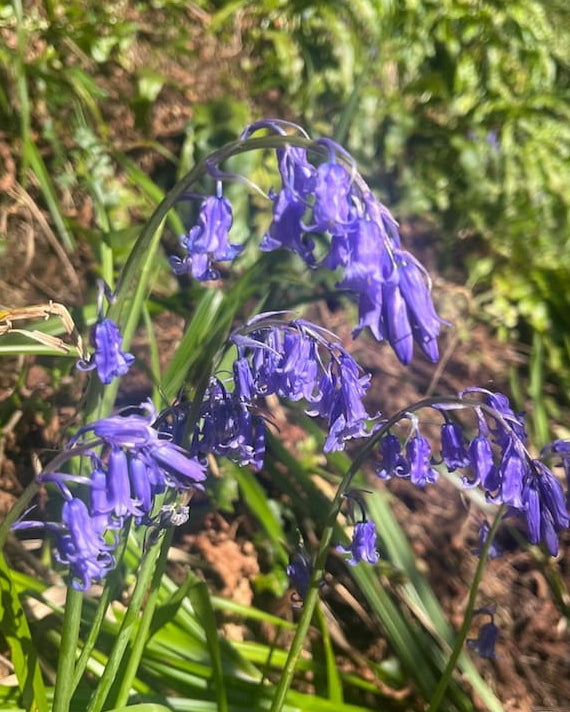
Bluebell Native Wildflower Seed

  • Native UK wildflower species
  • Thrives in shaded woodland areas
  • Delicate scented drooping flowers
  • Plant in autumn for germination
  • Grows 20cm to 50cm tall
Regular price £3.99

HYACINTHOIDES NON SCRIPTA

Bluebells are woodland royalty. That soft violet blue haze under ancient trees, the sort of thing that makes people whisper, take photos, and suddenly believe in fairies again.

In British folklore, bluebell woods were magical, dangerous, and not to be messed with. It was said that if you heard a bluebell ring, you might be spirited away by fairies. Dramatic? Yes. But stand in a bluebell wood in spring
and tell us it does not feel at least slightly enchanted.

These are not instant gratification flowers. Bluebells are slow, patient, and deeply tied to woodland shade. But when they work, they are spectacular. A little bit ancient woodland, a little bit fairy portal, a lot of spring magic.

Profile

HYACINTHOIDES NON SCRIPTA

Bluebells are woodland royalty. That soft violet blue haze under ancient trees, the sort of thing that makes people whisper, take photos, and suddenly believe in fairies again.

In British folklore, bluebell woods were magical, dangerous, and not to be messed with. It was said that if you heard a bluebell ring, you might be spirited away by fairies. Dramatic? Yes. But stand in a bluebell wood in spring
and tell us it does not feel at least slightly enchanted.

These are not instant gratification flowers. Bluebells are slow, patient, and deeply tied to woodland shade. But when they work, they are spectacular. A little bit ancient woodland, a little bit fairy portal, a lot of spring magic.

Planting

Bluebells are best for shady or partly shaded areas, especially under trees, hedges, or woodland style planting. They are slow to grow from seed, so patience is part of the deal.

Rip - Clear weeds, grass, and thick debris so the seed has a better chance. Bluebells do not want to fight through a jungle.

Scatter - Scatter the seed thinly over bare soil in a shaded or partly shaded spot.

Sow - Gently press the seed into the soil surface so it makes contact. Do not bury it deeply.

When to sow - For best results sow from August to November. Bluebell seed benefits from natural winter weather, so autumn sowing is the best route.

Where to sow - Choose a shaded or partly shaded spot with soil that does not dry out completely. Under trees, along hedges, woodland edges, and wilder corners
are ideal.

Nurture

After sowing, keep the area lightly moist if the weather is very dry, but do not waterlog it.

Once you can see green shoots, keep the area clear of big weeds and thick grass. Do not feed them. Bluebells are woodland wildflowers, not hungry bedding plants.

Bluebells from seed are slow. They may take several years to flower properly, so do not panic if you only see leaves at first. They are playing the long game.

Results

Bluebells usually flower from April to May once mature, bringing nodding violet blue bells that turn shady spaces into something properly magical.

They typically grow around 20 to 40 cm tall. Grown from seed, they are slow, and flowering may take several years, but once happy they can return year after year.

This is a long term wildflower for patient gardeners, woodland corners, and anyone who understands that the best magic usually takes its time.

Pots

Yes, bluebells can grow in pots, but they are better in the ground long term.

Use a medium to large pot with drainage holes. Fill it with peat free compost mixed with some leaf mould or garden soil if you have it, to create a more woodland style mix. Keep it free draining, but not bone dry.

Scatter the seed thinly, press it into the surface, and place the pot in shade or part shade. Keep lightly moist while the seed gets going. Bluebells in pots need patience, and may take several years to flower from seed.

No Grow, No Fee

We want your seeds to grow. If you follow our sowing instructions, give them a fair chance, and they still do not grow, we’ll put it right.

Eligible customers can choose either a refund for the seeds that did not grow, or replacement seeds of the same value.

For more information on our policy go to our No Grow No Fee page.

CUSTOMER REVIEWS

FAQs

No-Grow No-Fee Policy

We understand that sometimes despite best efforts, wild flower seeds may not grow as expected. For cases where your seeds do not germinate or produce plants, we offer a no grow no fee refund policy.

Please contact our customer service team at info@seedrevolution.co.uk within 2 calendar months of the expected germination date to initiate a refund request under our no grow no fee policy. Our team will guide you through the process and may request additional information such as photos or proof of purchase.

Upon review and verification of your request, we will issue a refund or replacement, depending on your preference and our available stock.

Toxicity

Seeds sold through our website are for sowing purposes only and are not for human or animal consumption. Always keep out of reach of children and pets. Some species may be harmful if eaten by people, pets, horses, or livestock. Do not sow in grazing areas or where animals may eat the seeds or plants unless you have checked the species is suitable. Do not scatter seeds into rivers, ponds, streams, drains, protected habitats, public land, roadsides, nature reserves, or land you do not own or have permission to sow. Always follow the product-specific guidance, sow responsibly and follow local rules.

Shipping Information

We aim to dispatch all orders within 24 hours of your order being placed and all our UK orders are sent using Royal Mail Tracked 48.

For our full shipping details, please refer to our shipping policy page