Agrimony Native Wildflower Seed

Regular price £11.99

AGRIMONIA EUPATORIA

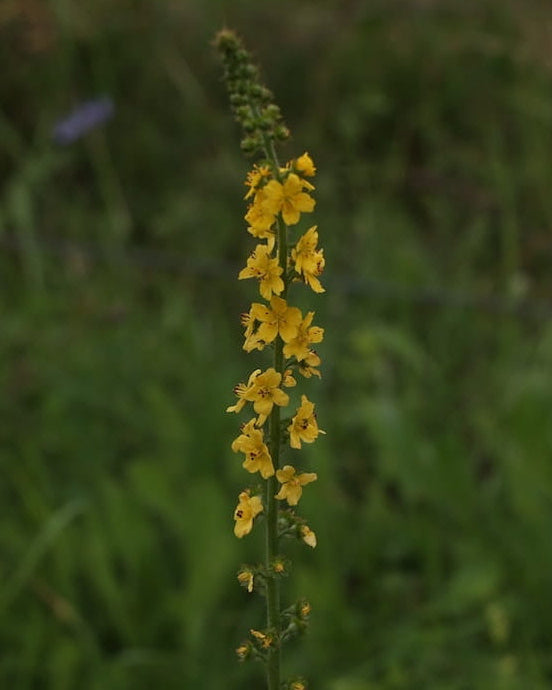
Agrimony is old countryside charm with a golden spine. Tall yellow flower spikes, neat leaves, and the quiet confidence of a plant that has been in the hedgerow longer than most villages have had parking disputes.

It has a long history in folklore and herbal use, once valued as a medicinal plant and even used for dye. Very practical. Very old world. Very “I know how to fix a wound and colour your cloak”.

In the garden, Agrimony brings sunny height, pollinator value, and a slightly ancient meadow edge feel. The bees arrive politely. The hoverflies browse. The whole thing feels like summer has put on a waistcoat and headed for the hedgerow.

Profile

AGRIMONIA EUPATORIA

Agrimony is old countryside charm with a golden spine. Tall yellow flower spikes, neat leaves, and the quiet confidence of a plant that has been in the hedgerow longer than most villages have had parking disputes.

It has a long history in folklore and herbal use, once valued as a medicinal plant and even used for dye. Very practical. Very old world. Very “I know how to fix a wound and colour your cloak”.

In the garden, Agrimony brings sunny height, pollinator value, and a slightly ancient meadow edge feel. The bees arrive politely. The hoverflies browse. The whole thing feels like summer has put on a waistcoat and headed for the hedgerow.

Planting

Agrimony likes sunny or lightly shaded spots, free draining soil, and low competition. It is good for meadow edges, banks, hedge lines, borders, and wildlife gardens.

Rip - Clear weeds, grass, and debris. Rake the soil so you have a loose, open surface.

Scatter - Scatter the seed thinly across the soil.

Sow - Press the seed gently into the surface, or cover very lightly with soil.

When to sow - For best results sow from August to November. You can also sow from March to May.

Where to sow - Choose a sunny or partly shaded spot with free draining soil and low competition. Agrimony is especially good along edges, banks, and relaxed wild borders.

Nurture

After sowing, keep the soil lightly moist while the seeds get going, especially during dry weather.

Once you can see green shoots, keep big weeds and thick grass away. Do not feed it. Agrimony is happiest when grass is not being encouraged to muscle in.

As a perennial, it may spend its first year building leaves and roots before flowering strongly later. Give it time, light, and breathing room.

Results

Agrimony usually flowers from June to September, producing upright spikes of small yellow flowers that are useful for pollinators.

It typically grows around 30 to 100 cm tall, adding height, softness, and golden colour to wild garden edges.

As a perennial, it can return year after year once happy. A brilliant choice if you want something quietly beautiful, wildlife friendly, and full of old hedgerow character.

Pots

Yes, Agrimony can grow in pots, though it is usually best in the ground.

Use a medium to large pot with drainage holes. Fill it with peat free, low nutrient compost mixed with sharp sand or grit to keep it free draining. Avoid rich compost. Wildflowers are not here for the luxury spa treatment.

Scatter the seed thinly, press it in gently, and place the pot in sun or partial shade. Keep lightly moist while the seeds get going. Once growing, water when the compost starts to dry out.

No Grow, No Fee

We want your seeds to grow. If you follow our sowing instructions, give them a fair chance, and they still do not grow, we’ll put it right.

Eligible customers can choose either a refund for the seeds that did not grow, or replacement seeds of the same value.

For more information on our policy go to our No Grow No Fee page.

CUSTOMER REVIEWS