Viper's Bugloss Native Wildflower Seed
Regular price
£3.95
ECHIUM VULGARE
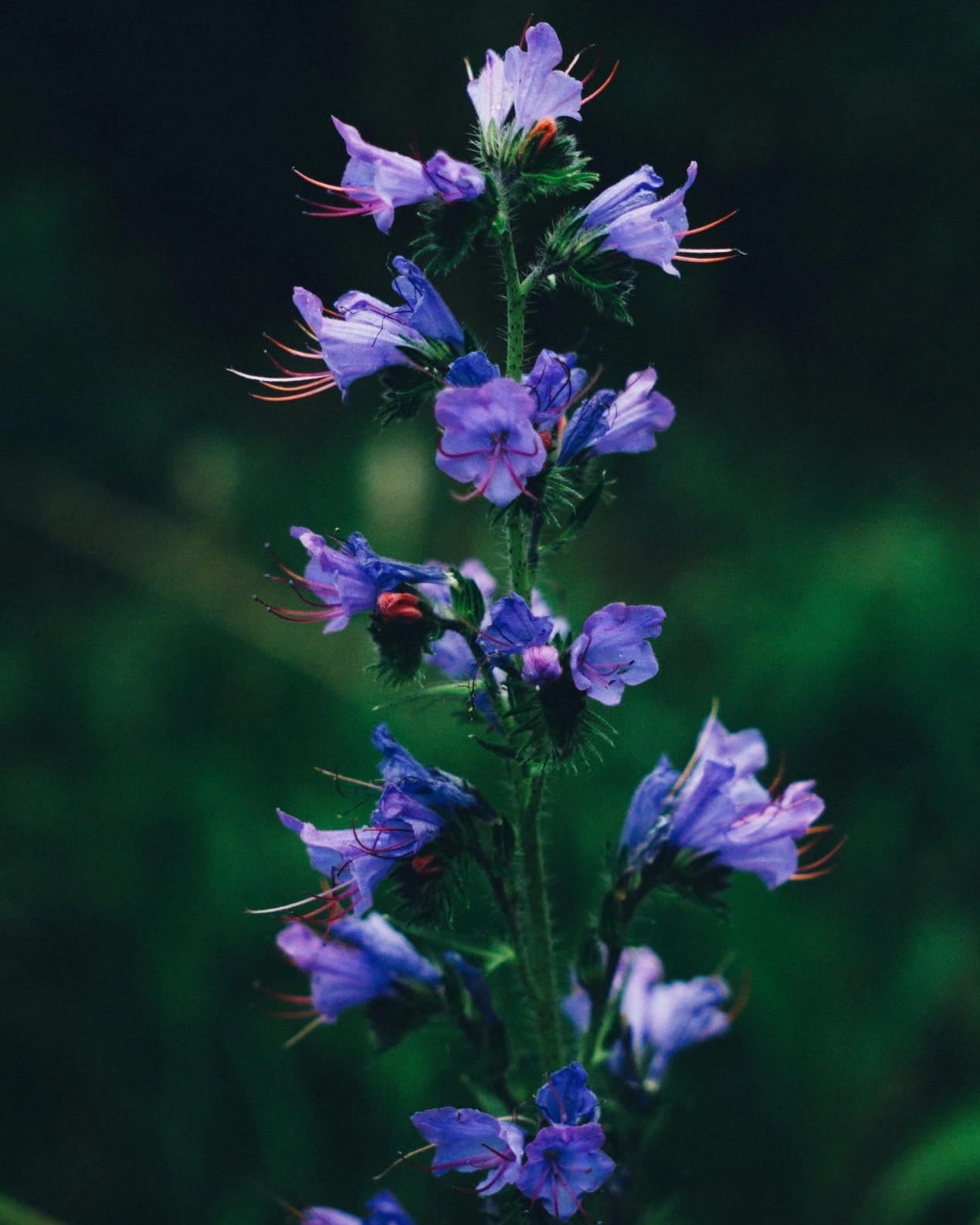
Viper Bugloss is what happens when a wildflower decides subtlety is for cowards. Big blue flower spikes, flashes of pink, bristly stems, and the sort of presence that makes bees cancel their other plans.
Its name comes from old folklore around snake bites, with the plant once believed to protect against venom. Very dramatic. Very useful if your garden has enemies. These days, its main superpower is turning dry, sunny ground into a pollinator nightclub.
Bees arrive like they have heard rumours. Butterflies hover nearby pretending not to be impressed. Viper Bugloss stands there in blue, looking dangerous, glamorous, and completely unbothered.
Viper Bugloss likes full sun, bare soil, and excellent drainage. It is brilliant for dry banks, gravelly areas, coastal style planting, sunny borders, and poor soils.
Rip - Clear weeds, grass, and debris. Rake the soil so you have a loose, open surface.
Scatter - Scatter the seed thinly across the soil. Give it space, as the plants can grow tall and bold.
Sow - Press the seed into the surface, or cover very lightly with soil.
When to sow - For best results sow from August to November. You can also sow from March to May.
Where to sow - Choose a hot, sunny, free draining spot with low competition. Avoid heavy, wet soil. Viper Bugloss does not want soggy feet.
After sowing, keep the soil lightly moist while the seeds get going, especially if the weather is very dry.
Once you can see green shoots, keep big weeds and thick grass away. Do not feed it. Viper Bugloss likes poorer soil and too much pampering can make it soft.
Once growing well, it is drought tolerant and low fuss. It is usually biennial, so it often grows leaves in year one, then flowers in year two.
Viper Bugloss usually flowers from June to September, producing vivid blue flowers with pink buds that pollinators absolutely love.
It typically grows around 30 to 90 cm tall, bringing height, texture, and serious visual drama.
It is usually biennial, growing leaves in year one and flowering in year two, but it can self seed where happy. Once you have got it, you may well have got it. Blue, bold, bee approved.
Yes, Viper Bugloss can grow in pots, but it needs a sunny, free draining setup.
Use a medium to large pot, ideally at least 30 cm wide, with drainage holes. Fill it with peat free, low nutrient compost mixed with plenty of sharp sand or grit. Avoid rich compost. Wildflowers are not here for the luxury spa treatment.
Scatter the seed thinly, press it in, and place the pot in full sun. Keep lightly moist while the seeds get going. Once growing, water only when the compost starts to dry out.
We want your seeds to grow. If you follow our sowing instructions, give them a fair chance, and they still do not grow, we’ll put it right.
Eligible customers can choose either a refund for the seeds that did not grow, or replacement seeds of the same value.
For more information on our policy go to our No Grow No Fee page.
ECHIUM VULGARE
Viper Bugloss is what happens when a wildflower decides subtlety is for cowards. Big blue flower spikes, flashes of pink, bristly stems, and the sort of presence that makes bees cancel their other plans.
Its name comes from old folklore around snake bites, with the plant once believed to protect against venom. Very dramatic. Very useful if your garden has enemies. These days, its main superpower is turning dry, sunny ground into a pollinator nightclub.
Bees arrive like they have heard rumours. Butterflies hover nearby pretending not to be impressed. Viper Bugloss stands there in blue, looking dangerous, glamorous, and completely unbothered.
Viper Bugloss likes full sun, bare soil, and excellent drainage. It is brilliant for dry banks, gravelly areas, coastal style planting, sunny borders, and poor soils.
Rip - Clear weeds, grass, and debris. Rake the soil so you have a loose, open surface.
Scatter - Scatter the seed thinly across the soil. Give it space, as the plants can grow tall and bold.
Sow - Press the seed into the surface, or cover very lightly with soil.
When to sow - For best results sow from August to November. You can also sow from March to May.
Where to sow - Choose a hot, sunny, free draining spot with low competition. Avoid heavy, wet soil. Viper Bugloss does not want soggy feet.
After sowing, keep the soil lightly moist while the seeds get going, especially if the weather is very dry.
Once you can see green shoots, keep big weeds and thick grass away. Do not feed it. Viper Bugloss likes poorer soil and too much pampering can make it soft.
Once growing well, it is drought tolerant and low fuss. It is usually biennial, so it often grows leaves in year one, then flowers in year two.
Viper Bugloss usually flowers from June to September, producing vivid blue flowers with pink buds that pollinators absolutely love.
It typically grows around 30 to 90 cm tall, bringing height, texture, and serious visual drama.
It is usually biennial, growing leaves in year one and flowering in year two, but it can self seed where happy. Once you have got it, you may well have got it. Blue, bold, bee approved.
Yes, Viper Bugloss can grow in pots, but it needs a sunny, free draining setup.
Use a medium to large pot, ideally at least 30 cm wide, with drainage holes. Fill it with peat free, low nutrient compost mixed with plenty of sharp sand or grit. Avoid rich compost. Wildflowers are not here for the luxury spa treatment.
Scatter the seed thinly, press it in, and place the pot in full sun. Keep lightly moist while the seeds get going. Once growing, water only when the compost starts to dry out.
We want your seeds to grow. If you follow our sowing instructions, give them a fair chance, and they still do not grow, we’ll put it right.
Eligible customers can choose either a refund for the seeds that did not grow, or replacement seeds of the same value.
For more information on our policy go to our No Grow No Fee page.
Sign up for exclusive offers, original stories, events and more.