Sainfoin Native Wildflower Seeds

  • High nectar content for bees
  • Nitrogen-fixing soil improver
  • Hardy perennial species
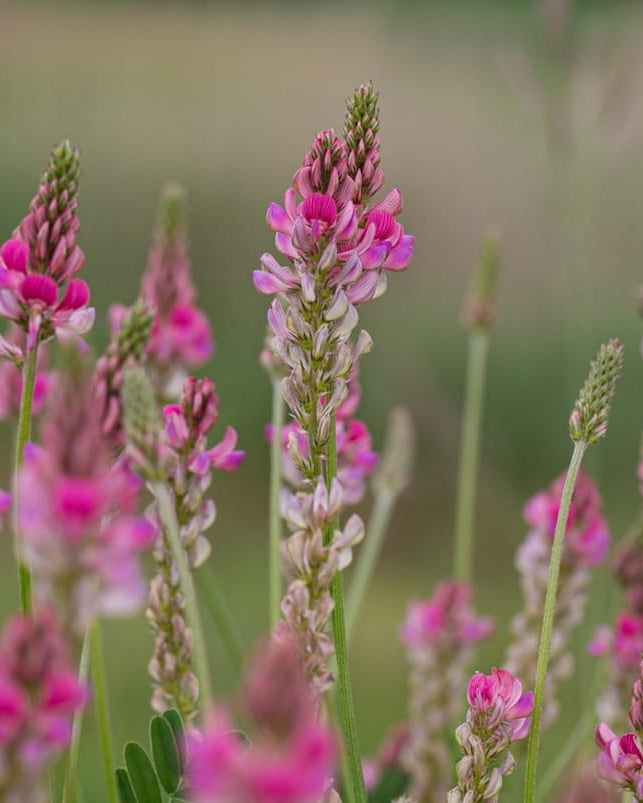
  • Rich pink flower spikes
  • Thrives in calcareous soil
Regular price £3.49

ONOBRYCHIS VICIIFOLIA

Sainfoin is basically crack for bees. Not polite, not subtle, but absolutely accurate. When this thing flowers, the bees do not stroll over. They descend.

With rich pink flower spikes and old farmland glamour, Sainfoin has been grown for centuries as a forage plant, soil improver, and pollinator powerhouse. It is part of the pea family, which means it can help fix nitrogen in the soil. Pretty flowers, better ground, bees behaving like they have found the VIP room.

This is a plant for sunny, free draining spaces where you want beauty and function. The revolution will be pink, protein rich, and absolutely buzzing.

Profile

ONOBRYCHIS VICIIFOLIA

Sainfoin is basically crack for bees. Not polite, not subtle, but absolutely accurate. When this thing flowers, the bees do not stroll over. They descend.

With rich pink flower spikes and old farmland glamour, Sainfoin has been grown for centuries as a forage plant, soil improver, and pollinator powerhouse. It is part of the pea family, which means it can help fix nitrogen in the soil. Pretty flowers, better ground, bees behaving like they have found the VIP room.

This is a plant for sunny, free draining spaces where you want beauty and function. The revolution will be pink, protein rich, and absolutely buzzing.

Planting

Sainfoin likes full sun, free draining soil, and low competition. It is especially good for chalky, sandy, or poorer soils.

Rip - Clear weeds, grass, and debris. Rake the soil so you have a loose, open surface.

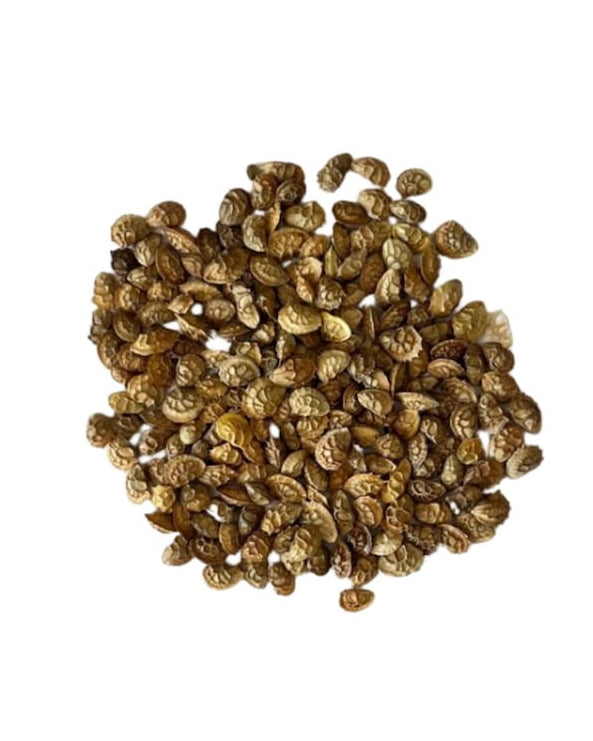
Scatter - Scatter the seed thinly across the soil. Do not sow too thickly, as Sainfoin needs space to grow well.

Sow - Press the seed into the soil surface, or cover very lightly with soil.

When to sow - For best results sow from March to May, or from August to September. Sainfoin likes enough warmth to get going before winter.

Where to sow - Choose a sunny spot with free draining soil and low competition. Avoid heavy, wet ground. Sainfoin is happiest where the soil is not too rich and not sitting soggy.

Nurture

After sowing, keep the soil lightly moist while the seeds get going.

Once you can see green shoots, keep big weeds and thick grass away. Do not feed it. Sainfoin is built for poorer soils and can help improve the ground itself.

Once growing well, it is fairly tough. It needs sun, drainage, and space more than fuss.

Results

Sainfoin usually flowers from June to August, producing pink flower spikes that bees absolutely love.

It typically grows around 30 to 80 cm tall, sometimes taller in good conditions.

As a perennial, it can return year after year once happy. It brings colour, pollinators, and soil improving benefits. A proper working wildflower, dressed in pink and surrounded by bees.

Pots

Sainfoin is not ideal for pots, as it prefers open ground and room for its roots.

If you do try it, use a large, deep pot with drainage holes. Fill it with peat free, low nutrient compost mixed with sharp sand or grit to keep it free draining. Avoid rich, wet compost. Wildflowers are not here for the luxury spa treatment.

Place the pot in full sun. Keep lightly moist while the seeds get going, then water only when the compost starts to dry out.

No Grow, No Fee

We want your seeds to grow. If you follow our sowing instructions, give them a fair chance, and they still do not grow, we’ll put it right.

Eligible customers can choose either a refund for the seeds that did not grow, or replacement seeds of the same value.

For more information on our policy go to our No Grow No Fee page.

CUSTOMER REVIEWS