Devil's Bit Scabious Native Wildflower Seed
Regular price
£3.99

SUCCISA PRATENSIS
Devil’s-bit Scabious has one of the best names in the wildflower world. According to folklore, the Devil was so annoyed by the plant’s usefulness that he bit off the root. Petty, dramatic, and honestly quite on brand for him.
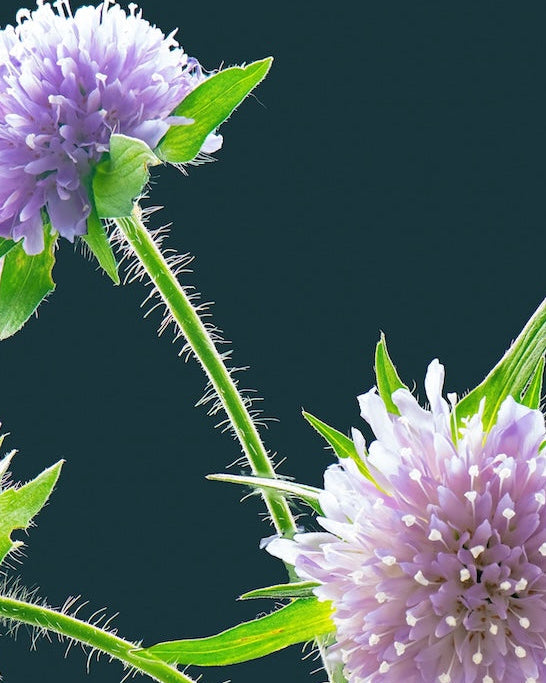
The flowers are soft blue purple pincushions that arrive late in the season, just when many other wildflowers are clocking off. Bees, butterflies, and hoverflies treat it like the late summer bar is still open. It is also famously important for the marsh fritillary butterfly, which gives it serious wildlife credentials.
A little folklore, a little ecological importance, and a lot of late season charm. The Devil may have had a nibble, but the plant won.
Devil’s-bit Scabious likes damp or moisture retentive soil, sun or partial shade, and low competition. It is good for damp meadows, pond edges, wild borders, and wildlife gardens.
Rip - Clear weeds, thick grass, and debris. Rake the soil so the seed can reach the surface.
Scatter - Scatter the seed thinly across the soil.
Sow - Press the seed gently into the surface so it makes contact. Do not bury it deeply.
When to sow - For best results sow from August to November. You can also sow from March to May.
Where to sow - Choose a sunny or partly shaded spot with soil that holds some moisture. Avoid very dry, baked ground or heavily fertilised lawn.
After sowing, keep the soil lightly moist while the seeds get going. In dry spells, a little water can help.
Once you can see green shoots, keep thick grass and big weeds away. Do not feed it. Rich soil encourages grass, and grass is usually the villain in this story.
As a perennial, it may take time to build up. The first year can be mostly leaves and roots, with better flowering once the plant is settled.
Devil’s-bit Scabious usually flowers from July to October, bringing blue purple pincushion flowers late in the season.
It typically grows around 30 to 80 cm tall, adding soft colour and pollinator value when many earlier flowers are fading.
As a perennial, it can return year after year once happy. It is brilliant for bees, butterflies, and late season wildlife. A plant with a name
like a curse and flowers like a peace offering.
Yes, Devil’s-bit Scabious can grow in pots, but it needs a pot that does not dry out too quickly.
Use a medium pot with drainage holes. Fill it with peat free compost mixed with some low nutrient compost or garden soil, plus a little grit for drainage. The mix should hold moisture without becoming waterlogged.
Place the pot in sun or partial shade. Keep lightly moist,
especially in warm weather.
We want your seeds to grow. If you follow our sowing instructions, give them a fair chance, and they still do not grow, we’ll put it right.
Eligible customers can choose either a refund for the seeds that did not grow, or replacement seeds of the same value.
For more information on our policy go to our No Grow No Fee page.
SUCCISA PRATENSIS
Devil’s-bit Scabious has one of the best names in the wildflower world. According to folklore, the Devil was so annoyed by the plant’s usefulness that he bit off the root. Petty, dramatic, and honestly quite on brand for him.
The flowers are soft blue purple pincushions that arrive late in the season, just when many other wildflowers are clocking off. Bees, butterflies, and hoverflies treat it like the late summer bar is still open. It is also famously important for the marsh fritillary butterfly, which gives it serious wildlife credentials.
A little folklore, a little ecological importance, and a lot of late season charm. The Devil may have had a nibble, but the plant won.
Devil’s-bit Scabious likes damp or moisture retentive soil, sun or partial shade, and low competition. It is good for damp meadows, pond edges, wild borders, and wildlife gardens.
Rip - Clear weeds, thick grass, and debris. Rake the soil so the seed can reach the surface.
Scatter - Scatter the seed thinly across the soil.
Sow - Press the seed gently into the surface so it makes contact. Do not bury it deeply.
When to sow - For best results sow from August to November. You can also sow from March to May.
Where to sow - Choose a sunny or partly shaded spot with soil that holds some moisture. Avoid very dry, baked ground or heavily fertilised lawn.
After sowing, keep the soil lightly moist while the seeds get going. In dry spells, a little water can help.
Once you can see green shoots, keep thick grass and big weeds away. Do not feed it. Rich soil encourages grass, and grass is usually the villain in this story.
As a perennial, it may take time to build up. The first year can be mostly leaves and roots, with better flowering once the plant is settled.
Devil’s-bit Scabious usually flowers from July to October, bringing blue purple pincushion flowers late in the season.
It typically grows around 30 to 80 cm tall, adding soft colour and pollinator value when many earlier flowers are fading.
As a perennial, it can return year after year once happy. It is brilliant for bees, butterflies, and late season wildlife. A plant with a name
like a curse and flowers like a peace offering.
Yes, Devil’s-bit Scabious can grow in pots, but it needs a pot that does not dry out too quickly.
Use a medium pot with drainage holes. Fill it with peat free compost mixed with some low nutrient compost or garden soil, plus a little grit for drainage. The mix should hold moisture without becoming waterlogged.
Place the pot in sun or partial shade. Keep lightly moist,
especially in warm weather.
We want your seeds to grow. If you follow our sowing instructions, give them a fair chance, and they still do not grow, we’ll put it right.
Eligible customers can choose either a refund for the seeds that did not grow, or replacement seeds of the same value.
For more information on our policy go to our No Grow No Fee page.
Sign up for exclusive offers, original stories, events and more.