Birdsfoot Trefoil Native Wildflower Seed

Regular price £3.49

LOTUS CORNICULATUS

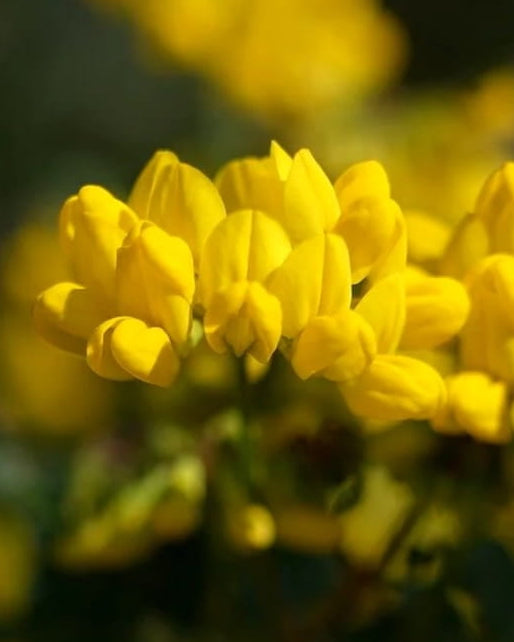
Birdsfoot Trefoil is small, sunny, and secretly one of the most important wildflowers you can grow. Those bright yellow flowers may look cheerful and innocent, but do not be fooled. This plant is doing serious work.

It is a favourite of bees, butterflies, and other pollinators, and is especially valuable for several butterfly species. It is also part of the pea family, which means it can help improve soil by fixing nitrogen. Tiny yellow flowers, big ecological energy.

It is sometimes called eggs and bacon because of the red and yellow colouring in the flowers. A ridiculous name, obviously. But also quite hard not to love.

Profile

LOTUS CORNICULATUS

Birdsfoot Trefoil is small, sunny, and secretly one of the most important wildflowers you can grow. Those bright yellow flowers may look cheerful and innocent, but do not be fooled. This plant is doing serious work.

It is a favourite of bees, butterflies, and other pollinators, and is especially valuable for several butterfly species. It is also part of the pea family, which means it can help improve soil by fixing nitrogen. Tiny yellow flowers, big ecological energy.

It is sometimes called eggs and bacon because of the red and yellow colouring in the flowers. A ridiculous name, obviously. But also quite hard not to love.

Planting

Birdsfoot Trefoil likes sunny spots, low competition, and well drained soil. It is tough, low growing, and brilliant for wildflower lawns, banks, meadow edges, and poor soils.

Rip - Clear weeds, thick grass, and debris. Rake the soil so you have a loose, open surface.

Scatter - Sprinkle the seed thinly across the soil. Try to spread it evenly rather than dumping it in one place.

Sow - Press the seed gently into the soil surface. Do not bury it deeply.

When to sow - For best results sow from August to November. You can also sow from March to May.

Where to sow - Choose a sunny spot with low fertility soil and not too much competition. Birdsfoot Trefoil is especially useful in relaxed lawns, meadow areas, slopes, and dry banks.

Nurture

After sowing, keep the soil lightly moist while the seeds get going. If it rains, let the sky do the work.

Once you can see green shoots, keep thick grass and big weeds from crowding them out. Birdsfoot Trefoil is tough, but young plants still need a fighting chance.

Do not feed it. It is built for poorer soils. Too much richness
encourages grass and weeds, which is exactly the sort of nonsense we are trying to avoid.

Results

Birdsfoot Trefoil usually flowers from May to September, producing cheerful yellow flowers that bring a proper splash of sunshine to the garden.

It is low growing, usually around 10 to 40 cm tall, so it works beautifully near the front of borders, in meadow lawns, or weaving through lower planting.

As a perennial, it can return year after year once happy. It is brilliant for pollinators, useful for soil, and far more powerful than its small size suggests. Little plant, big revolution.

Pots

Yes, Birdsfoot Trefoil can grow in pots, although it is usually happiest in open ground, meadow edges, or wildflower lawns.

Use a medium pot with drainage holes. Fill it with peat free, low nutrient compost, ideally mixed with sharp sand or grit to keep it free draining.

Scatter the seed thinly over the surface, press it in gently, and place the pot in full sun. Keep it lightly moist while the seeds get going. Once growing, water only when the compost starts to dry out.

No Grow, No Fee

We want your seeds to grow. If you follow our sowing instructions, give them a fair chance, and they still do not grow, we’ll put it right.

Eligible customers can choose either a refund for the seeds that did not grow, or replacement seeds of the same value.

For more information on our policy go to our No Grow No Fee page.

CUSTOMER REVIEWS